Viewing the World Through Crystal - Wenzel Hablik's Masterpieces
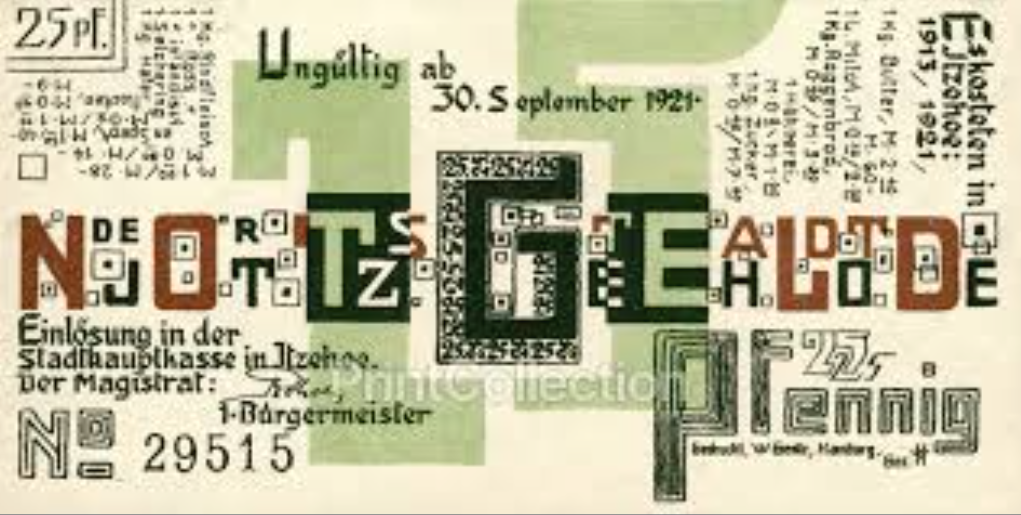
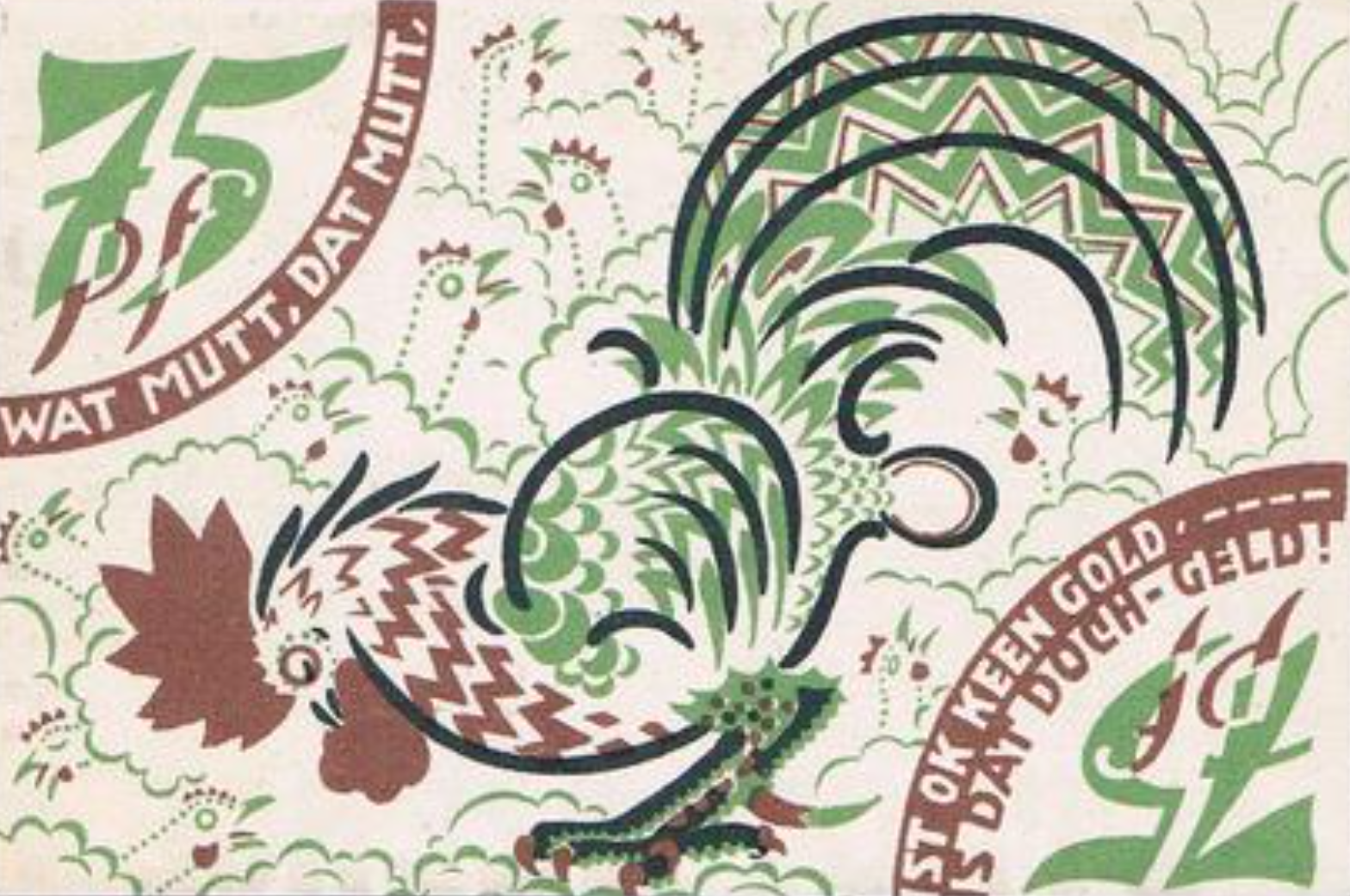
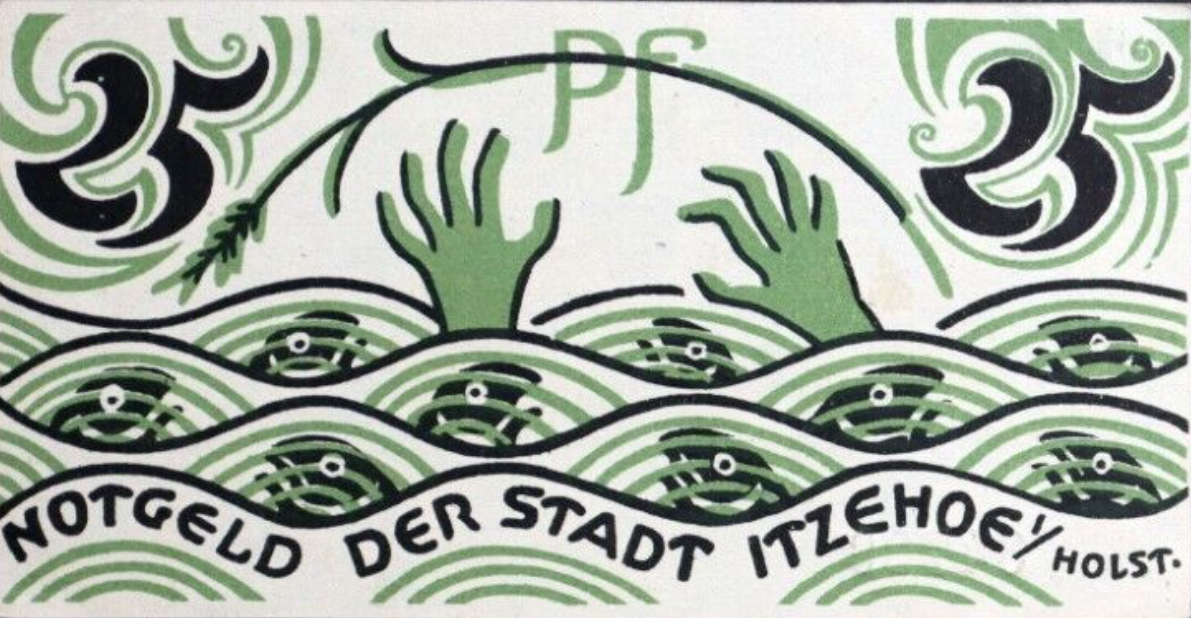
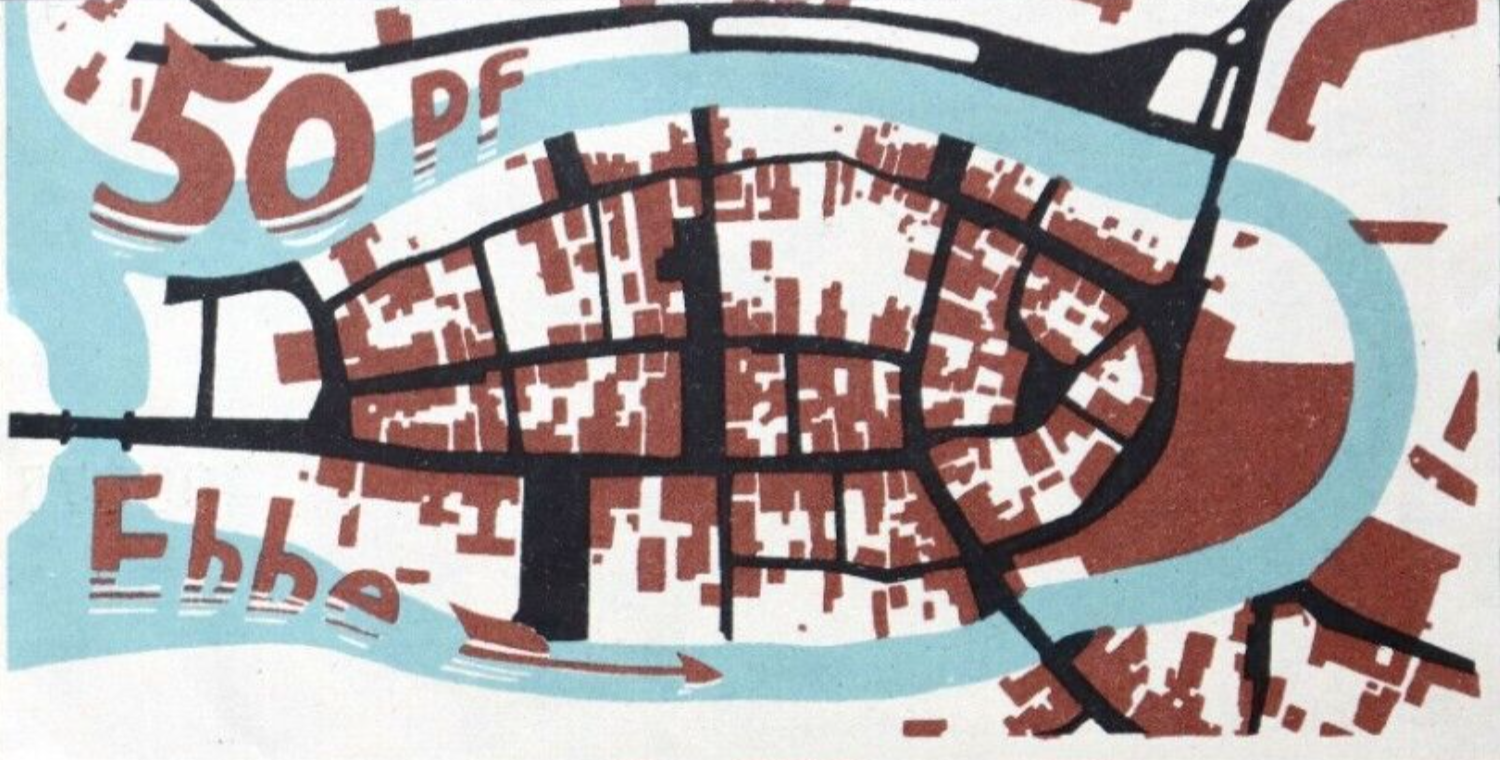
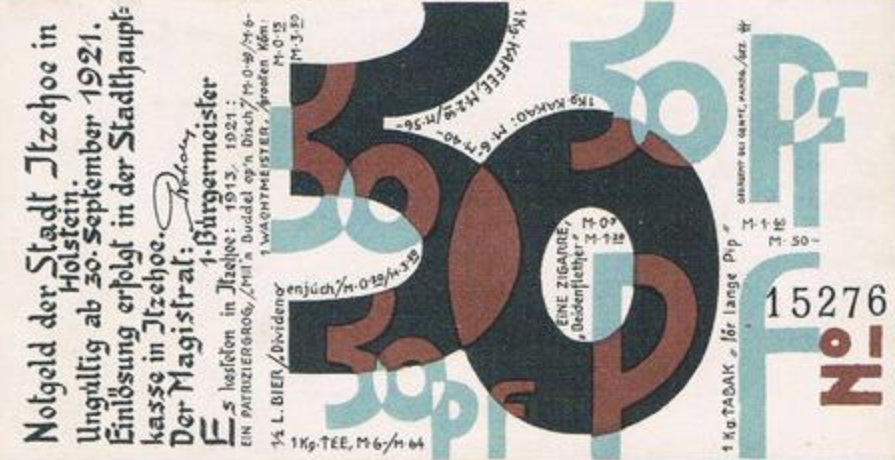
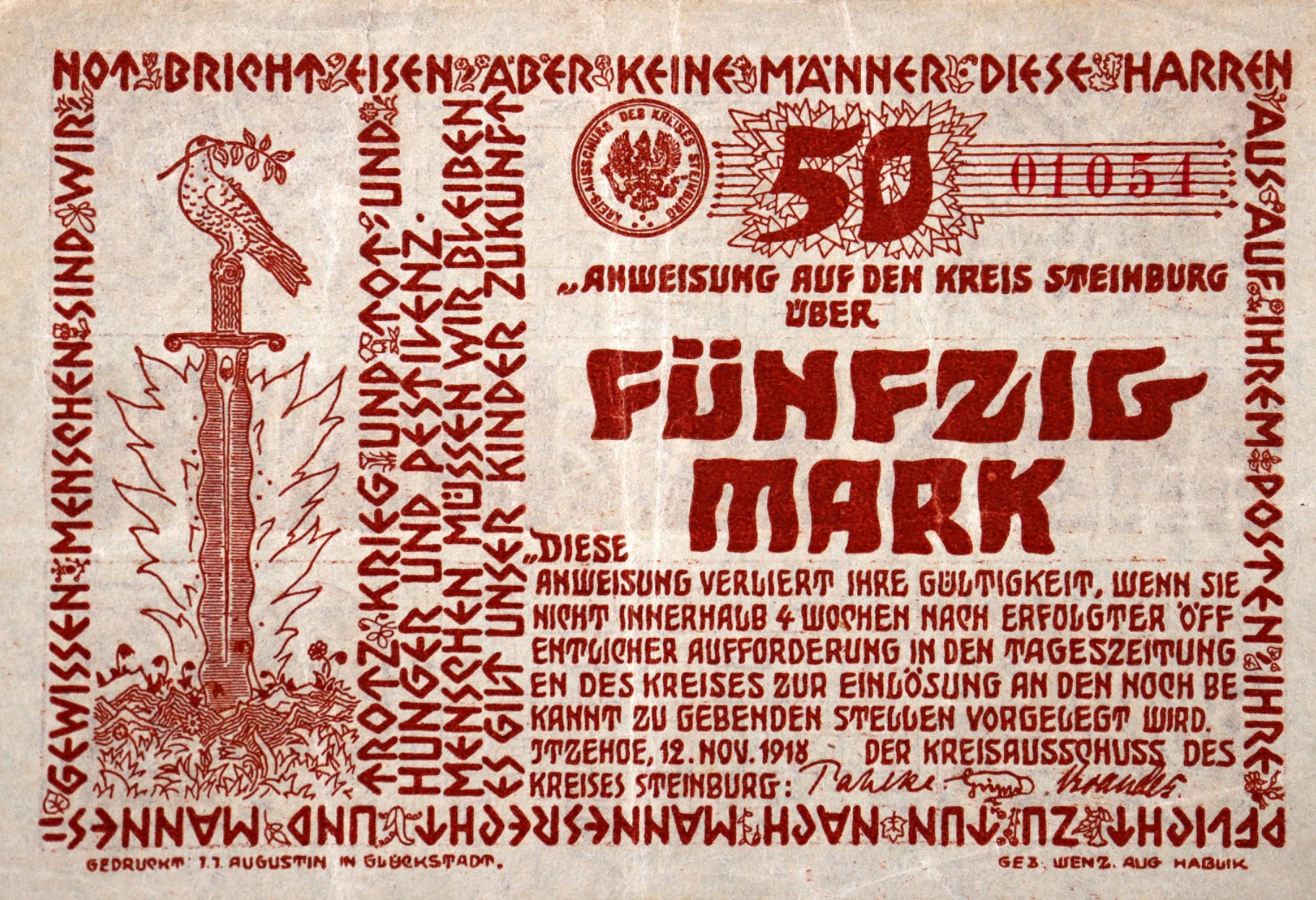
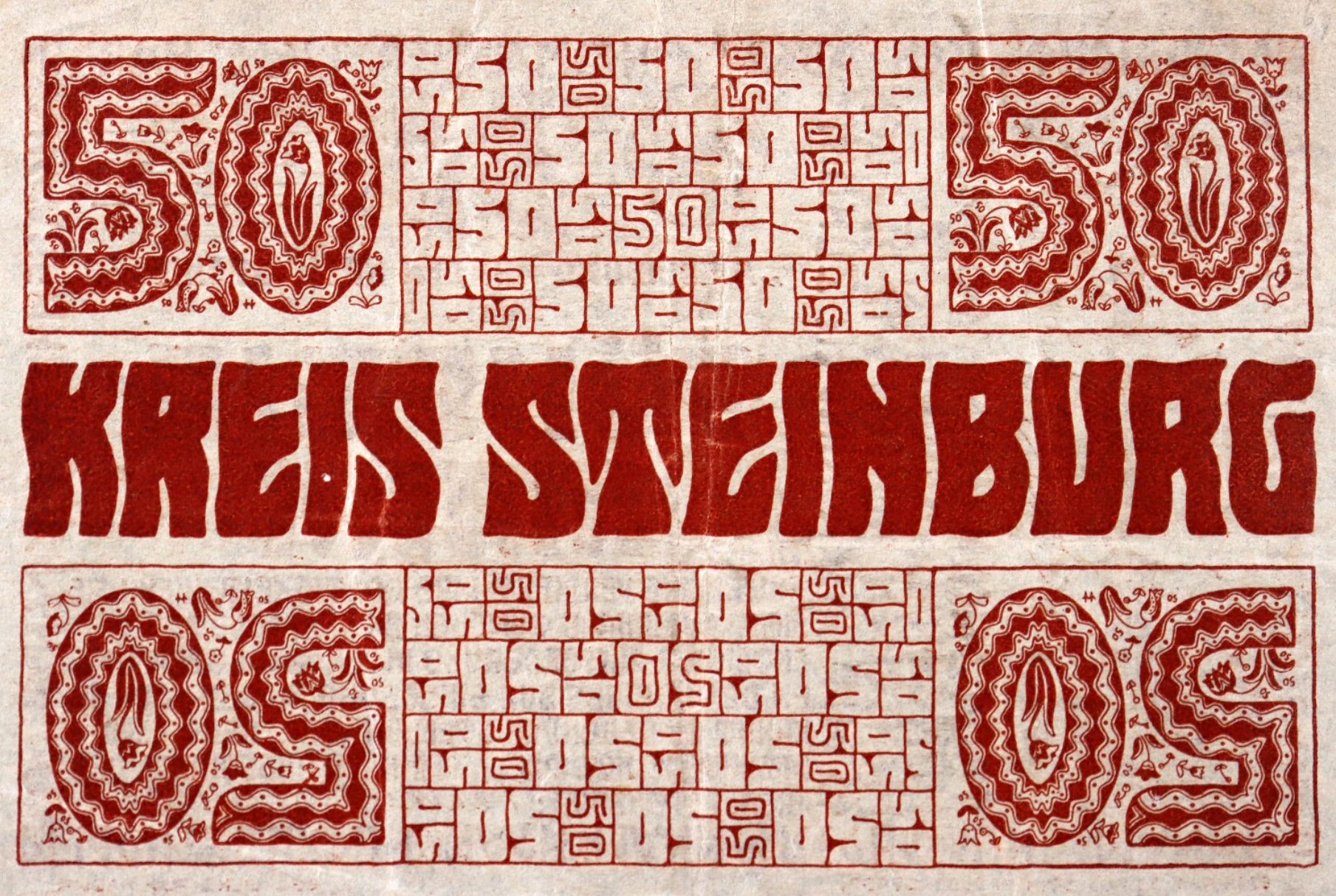
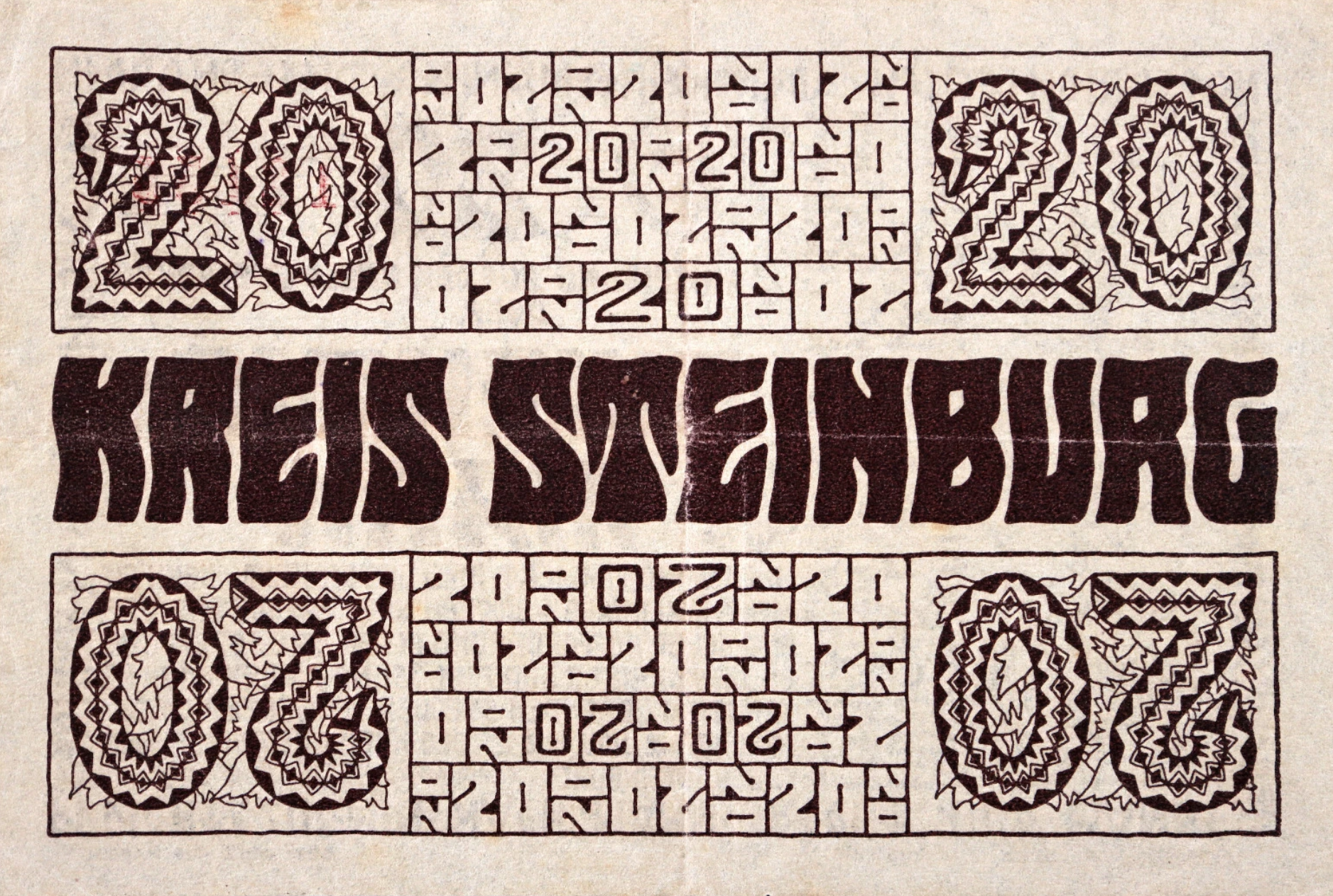
During the German hyperinflation period from 1914 to 1923, numerous towns and businesses issued "Emergency Currency". Control of the currency was dispersed among 5,000 issuing institutions, and local artists were commissioned to design brightly colored, oddly shaped, and sometimes even disturbing banknotes. Although landscapes were the most common motif on emergency currency, the surge in local contexts reflected, to some extent, the localization of currency during this period, as well as a key characteristic of the monetary medium: an attempt to solidify people's belief in the value of these dubious tokens by invoking the most solid and reliable reference point—the land.
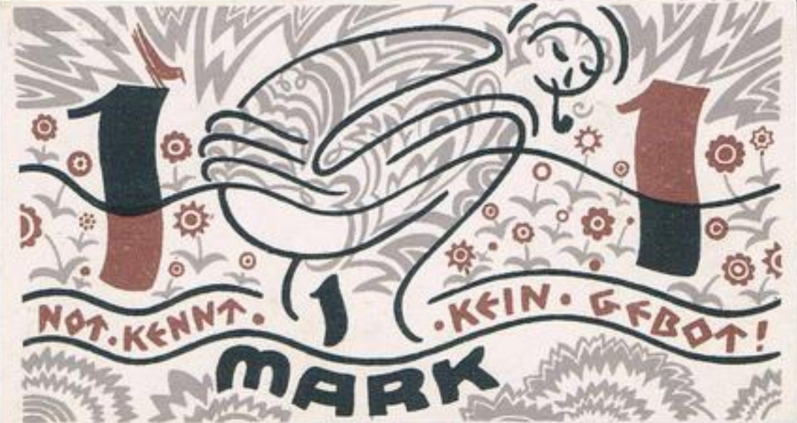
1921 banknote from the German town of Itzehoe depicts a figure in a garden with his trousers down, shitting; the turd forms the note's denomination - 1 Mark
Art Connoisseur Corner
Our monthly special selection of fantastic masterpieces on Numismatics, Exonumia, and Scripophily. Enjoy!
March 2026 Selection
Lecturer at Birkbeck College and Courtauld Institute of Art, University of London, Dr. Tom Wilkinson, in an article titled "Repair the earth with excrement and moneyHealing the landscape with shit and money: Wenzel Hablik's emergency currency. The article believes that this iconographic localization expresses a conservative impulse to offset the solvency of money through the so-called stability of the landscape - a solvency that inflation accelerates. In some cases, the foundation of this conservatism has even evolved into an extreme insistence on localization: the "Blut und Boden" theory that later became the cornerstone of Nazi ideology. From this perspective, Dr. Tom Wilkinson argues that Wenzel Hablik's fecal studies are less cynical than they initially appear. Instead, Dr. Wilkinson speculates that the work is a critique of the mainstream emergency currency theme, conceiving a different relationship between people and the land - neither as nostalgic as the landscapes of conservative designers nor as rigid as the radical localization of "Blut und Boden" advocates, but maintained through a metabolic process.
In fact, Wenzel Hablik envisions bridging the metabolic rift, a process (described by John Bellamy Foster using the concept of Marx) that has led to the separation of humanity from the land in the process of capitalist urbanization, disrupting the cycle of nutrients returning to the soil through excrement, resulting in rural soil depletion and urban pollution. However, Wenzel Hablik's fecal utopia contains an ambiguity: feces, as a link between humanity and nature, is also the number 1, the face value of paper money: in other words, it is an abstract concept representing monetary value. Under capitalism, the expressionistic crystal in feces inevitably becomes a monetary crystal. Wenzel Hablik...At the age of six, he discovered a crystal specimen and saw “magical castles and mountains” in it; these “Crystal Perspectives” later frequently appeared in his artwork.
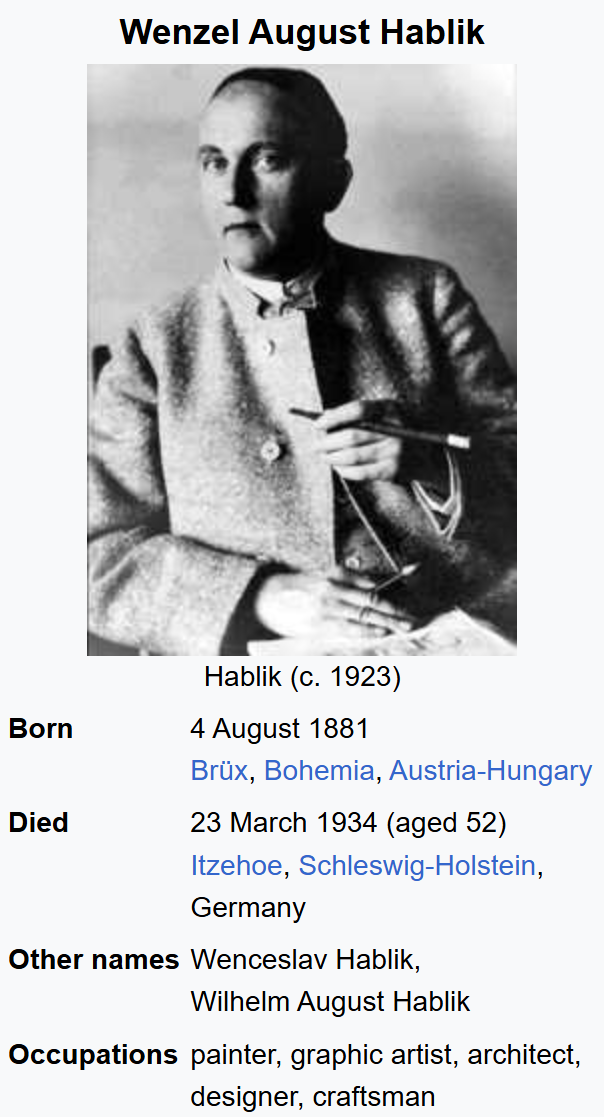
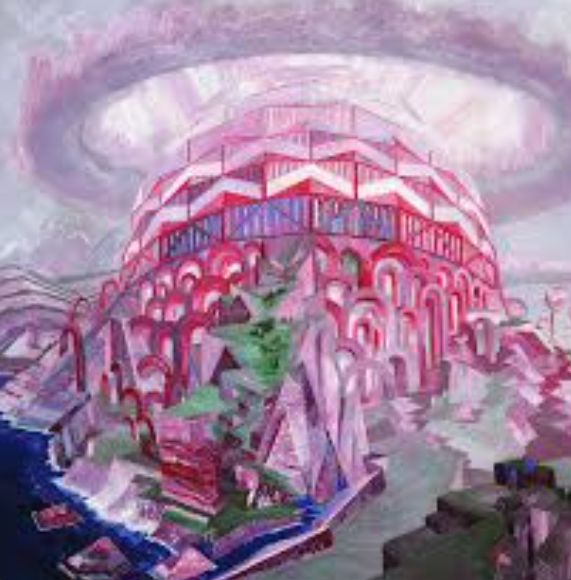
Hablik was born in Brüx, Bohemia (now Most, Czech Republic) on 4 August 1881. In later life, he recalled that at the age of six, he found a crystal specimen and saw in it "magical castles and mountains" that would later appear in his art.
Gallery
of
Wenzel Hablik's Masterpiece Artwork on Emergency Currency Design
Lets enter the Wenzel Hablik's World of “Crystal Number Perspectives”
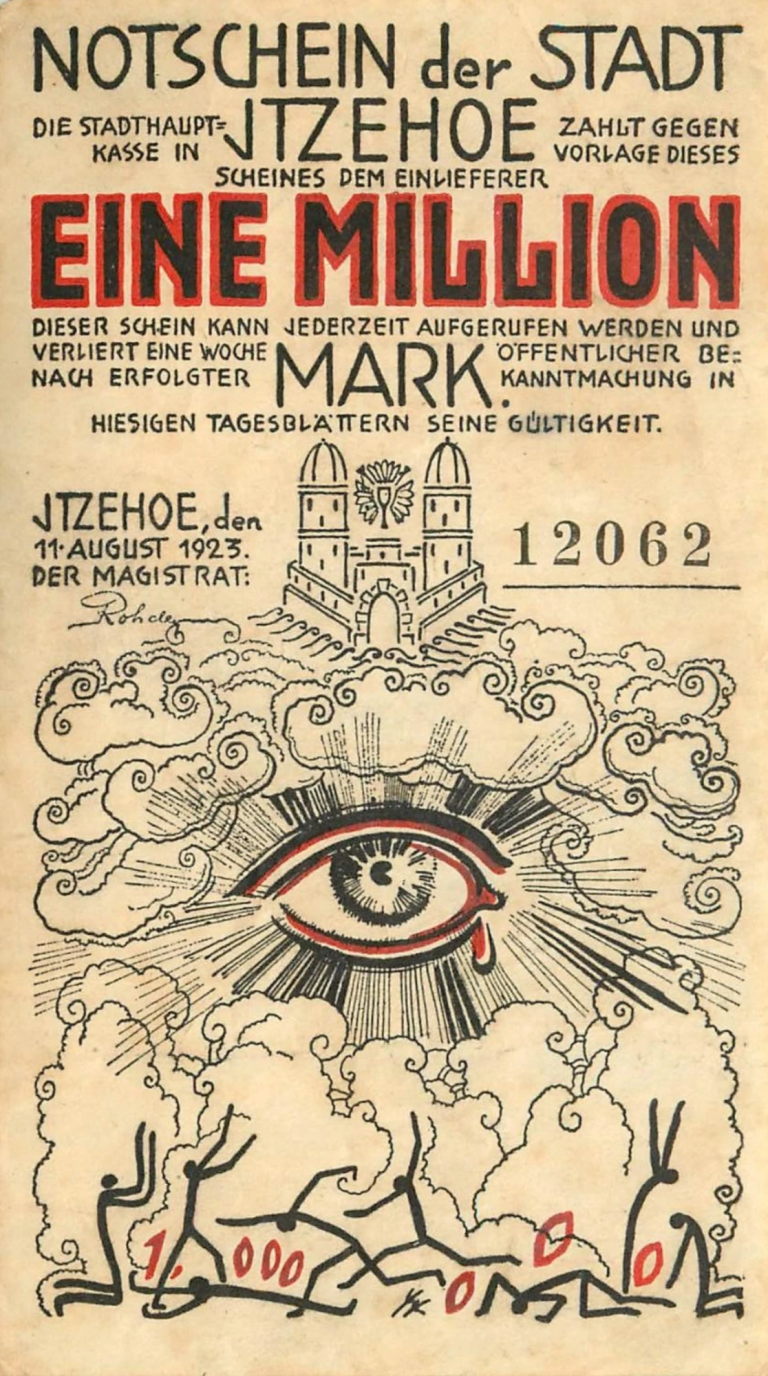
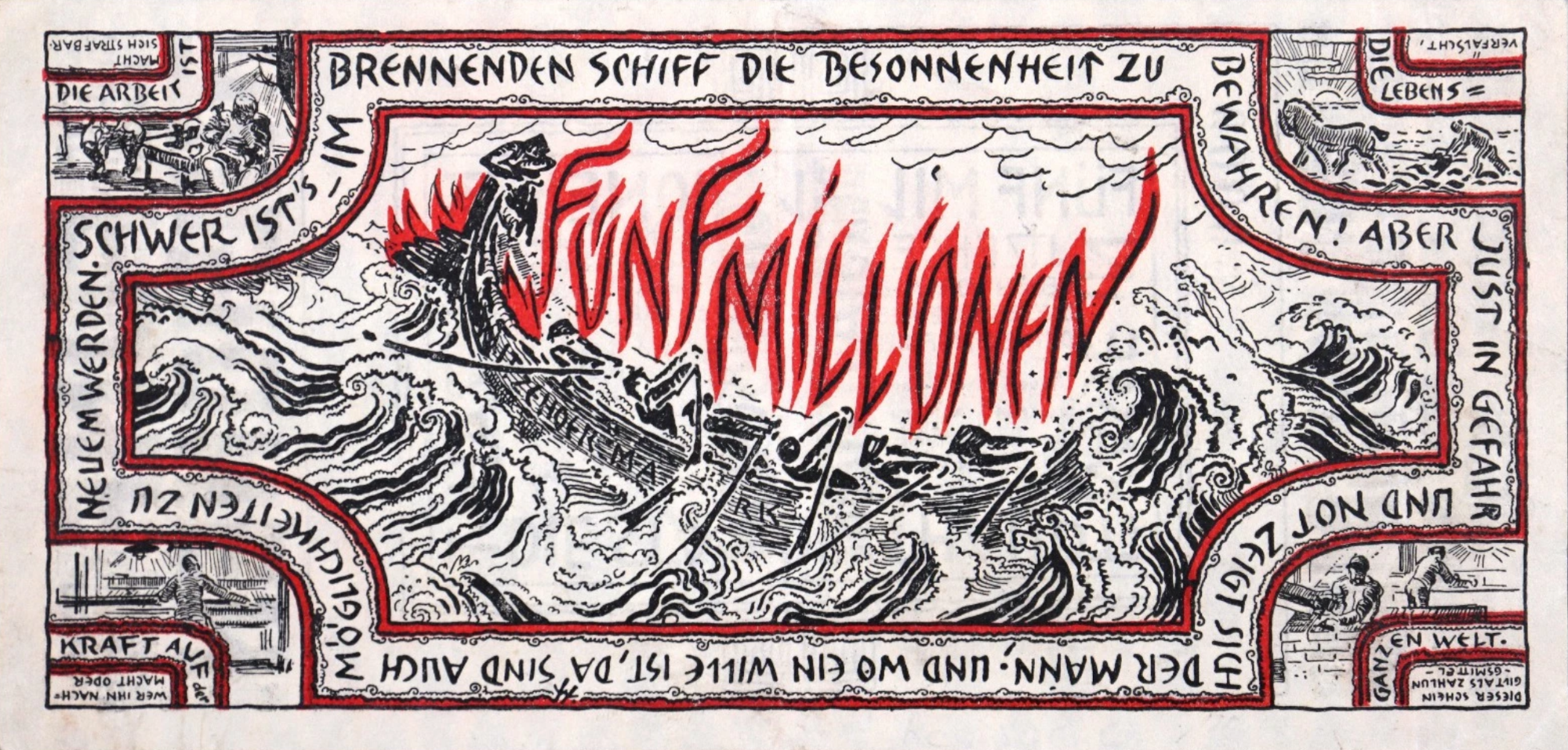
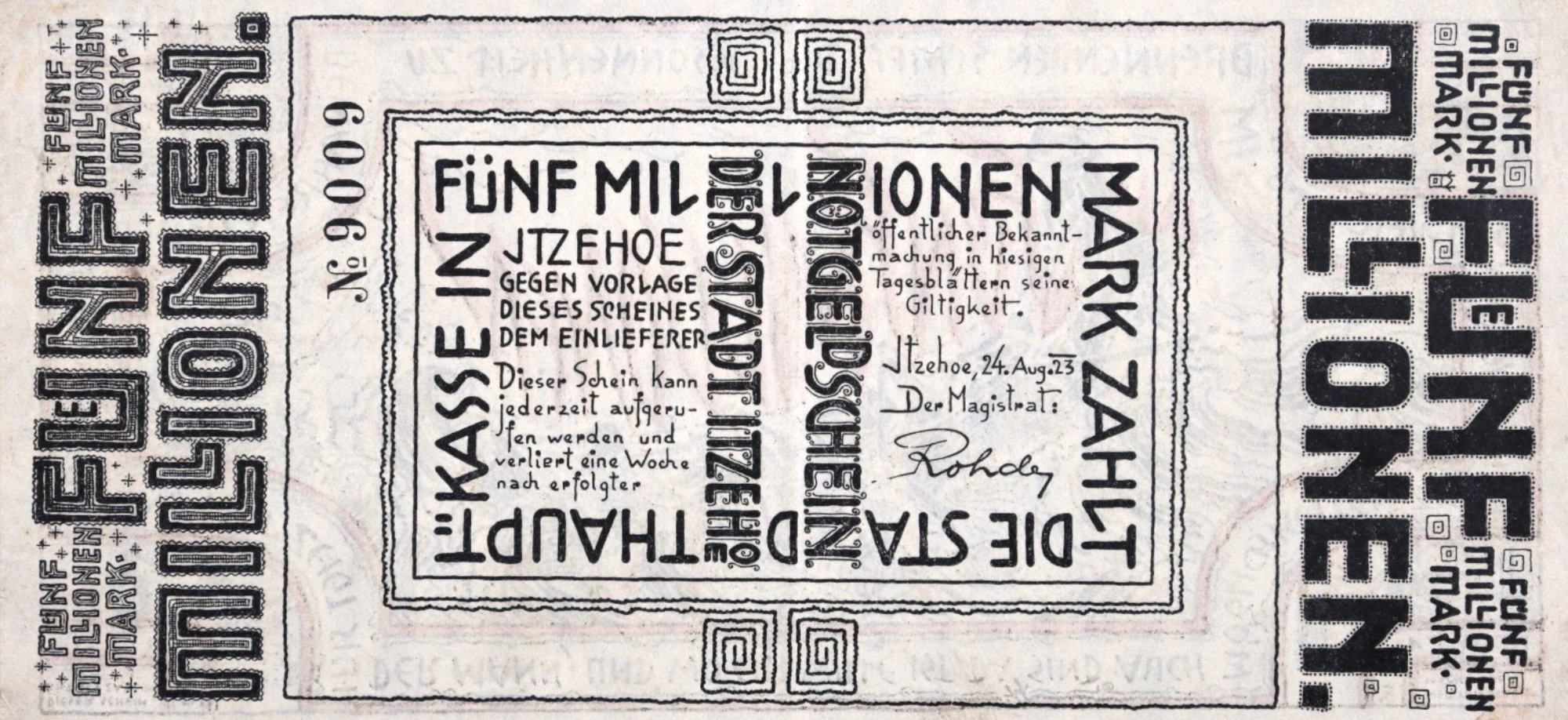
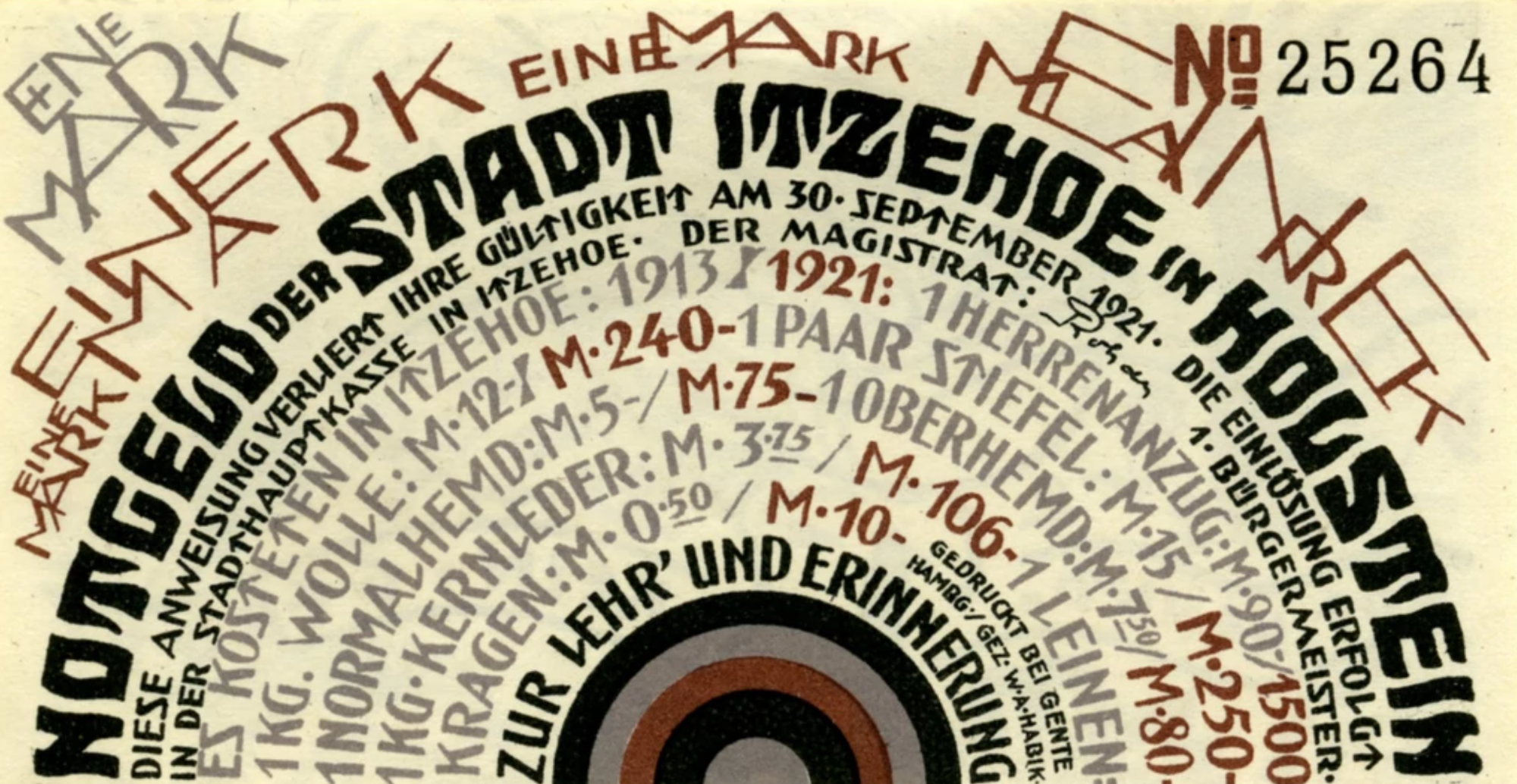
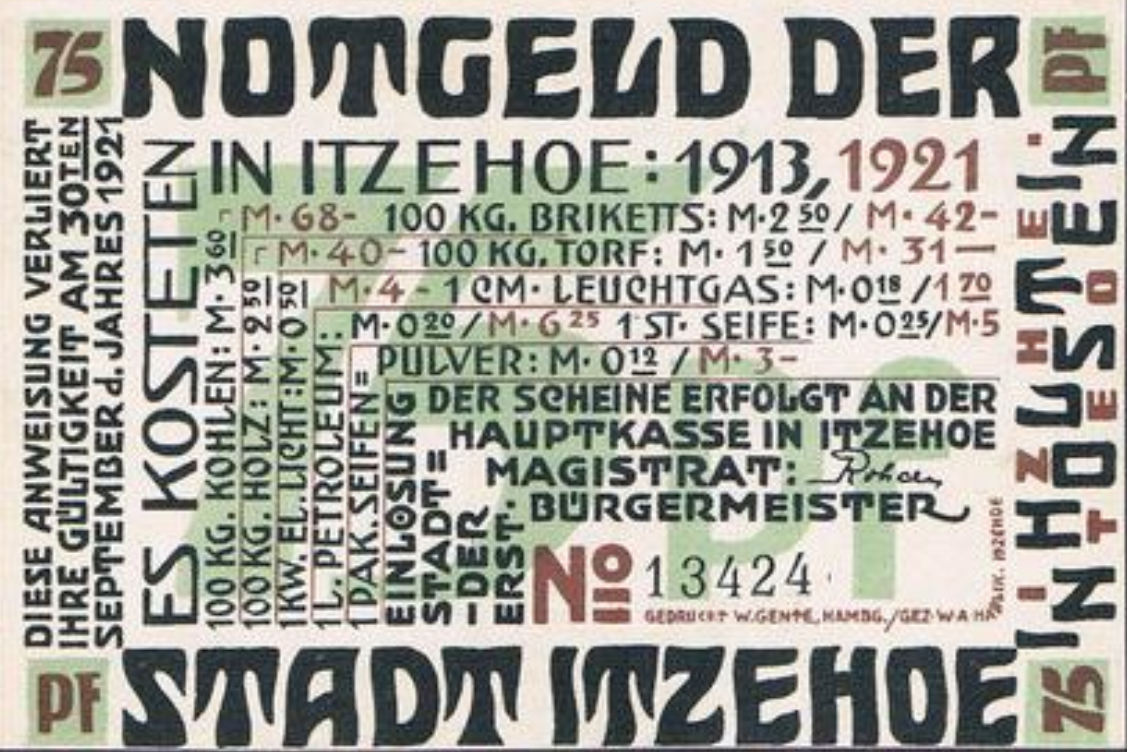
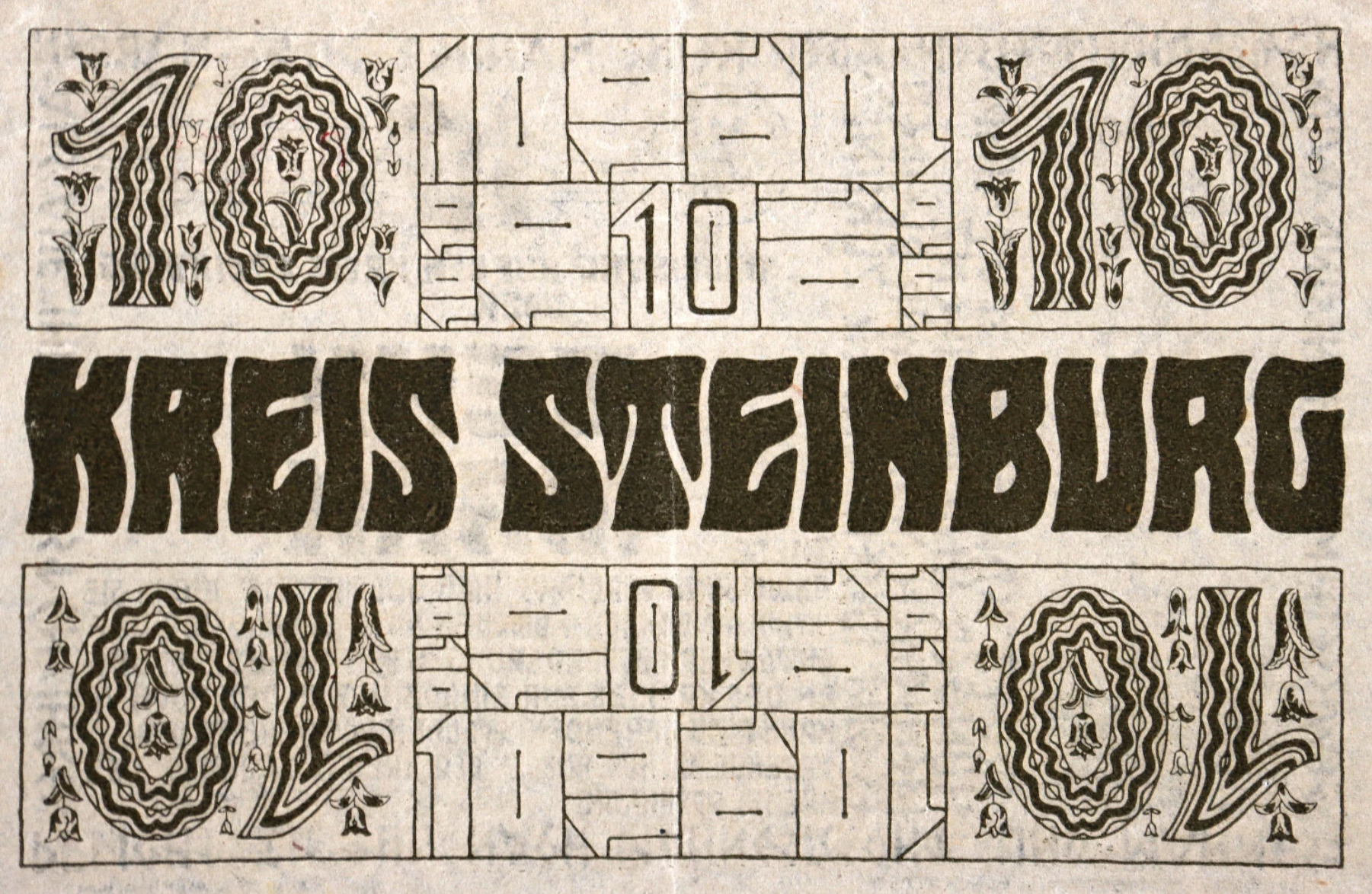
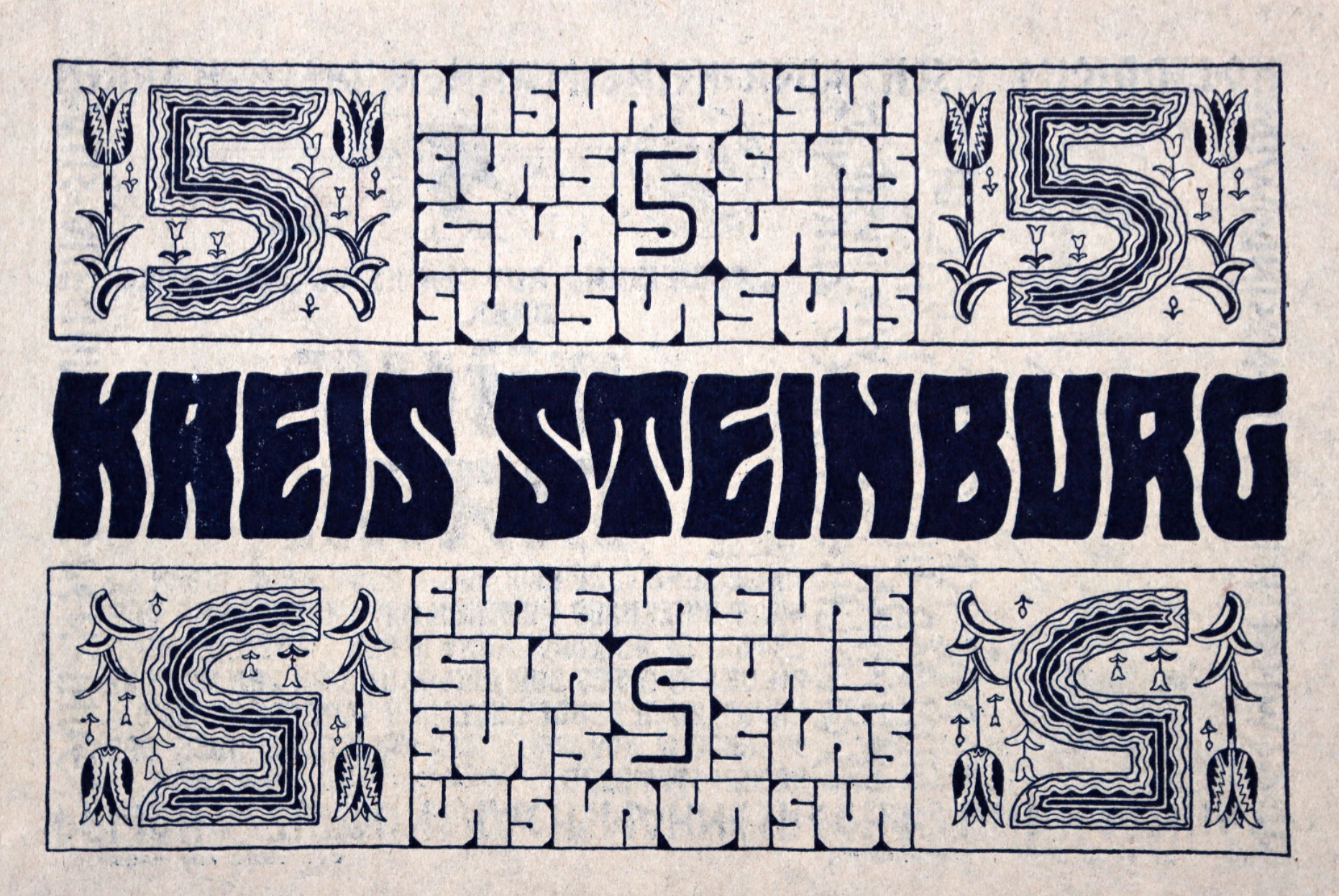
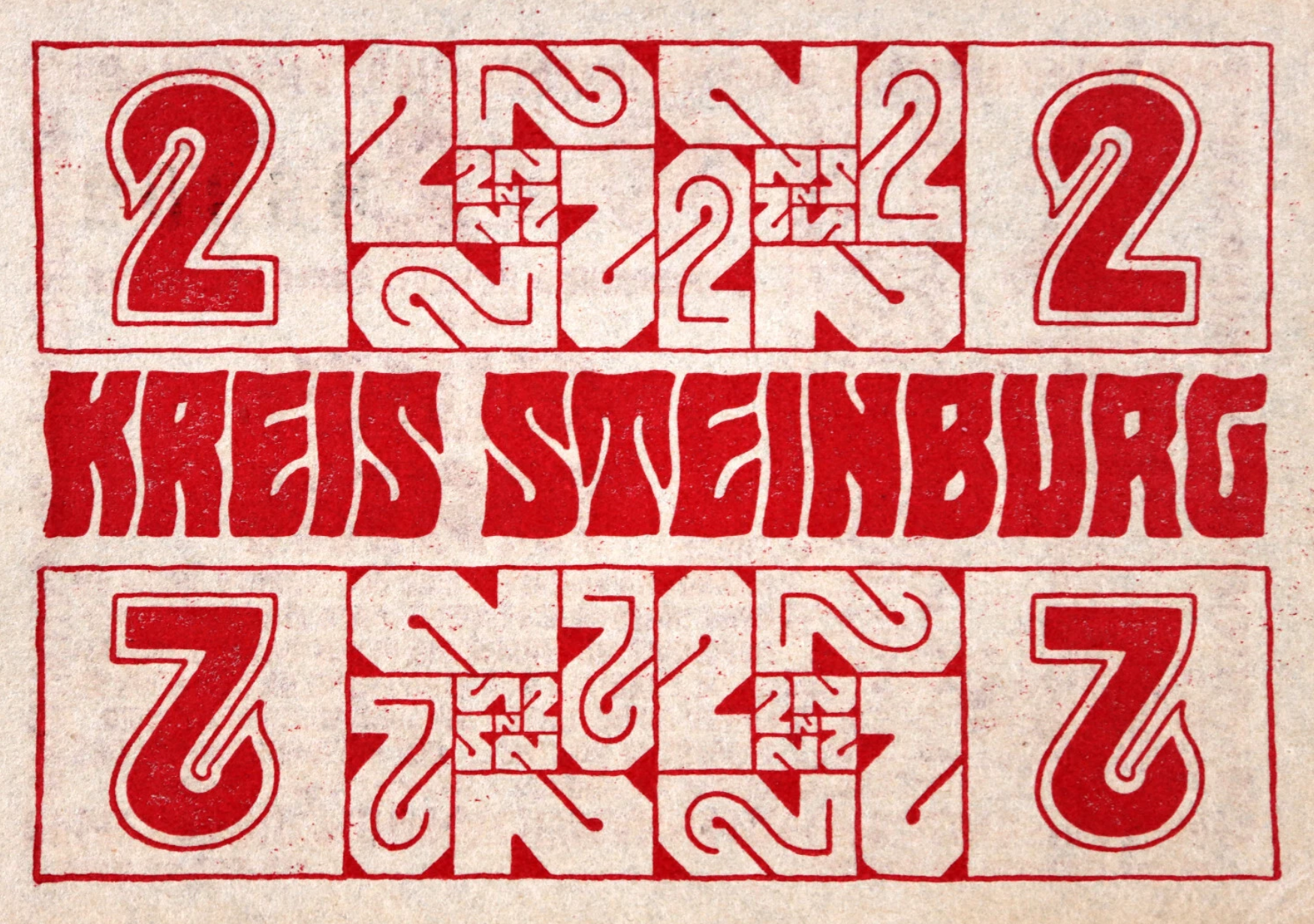
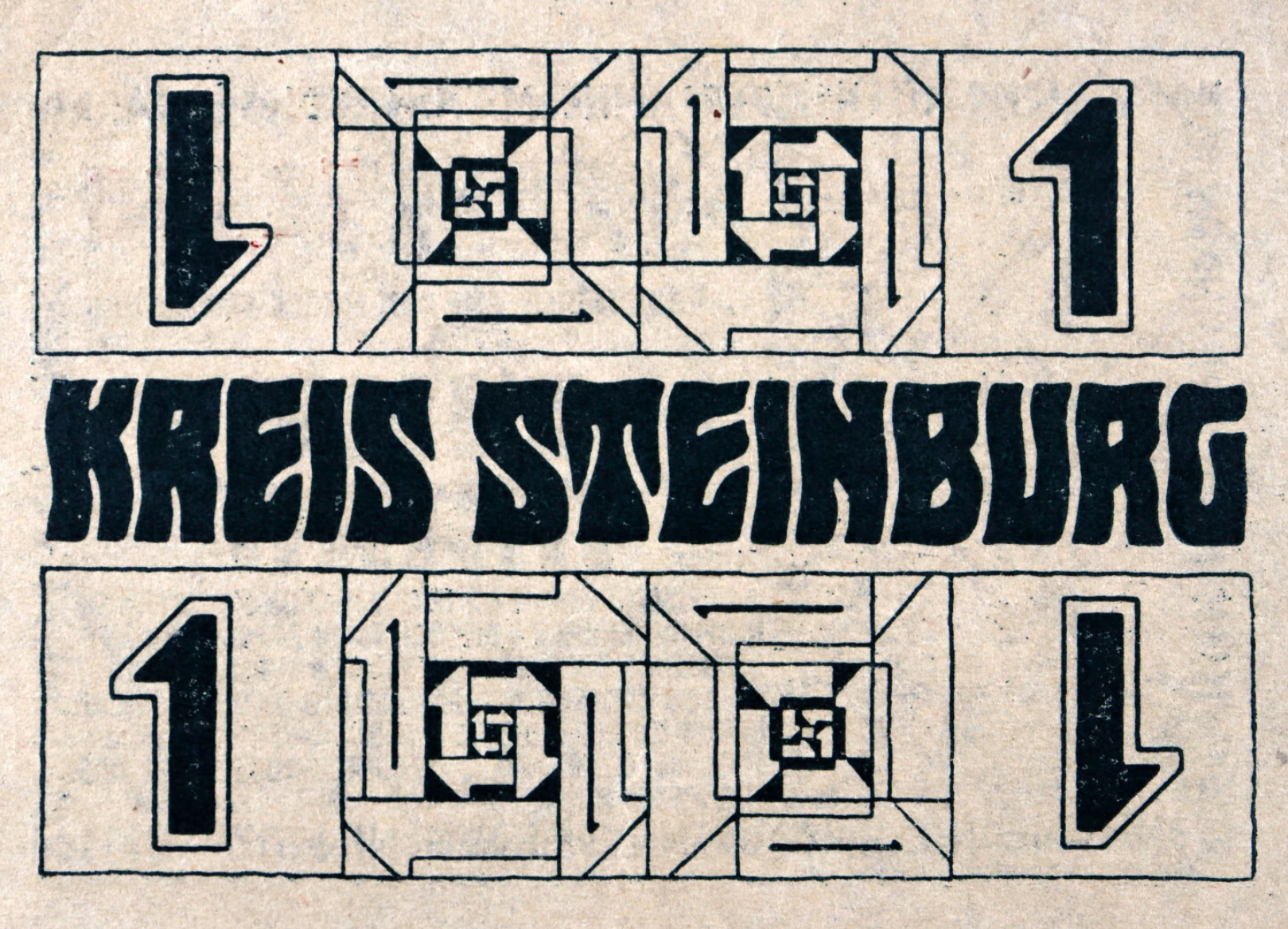
1923 1 Million Mark
Wenzel Hablik - The Raging Horus Eye
Click on the photo to enlarge
Every piece has a unique tale to tell! Dive into the fascinating world of history at The Numismatics Exomunia Scripophily Museum (NESM) and discover more about these captivating stories. Don’t miss out on the adventure!
Art Connoisseur Corner