On 23 December 1940, a group of Heinkel He bombers flying from Stavanger, Norway, dropped four 250-kilogram (550 lb) bombs near the SS Breda. The force of the explosions ruptured a water inlet pipe, and the engine room quickly flooded, depriving the ship of power. She finally sank to a mean depth of 26 meters (85 ft) under the sea.
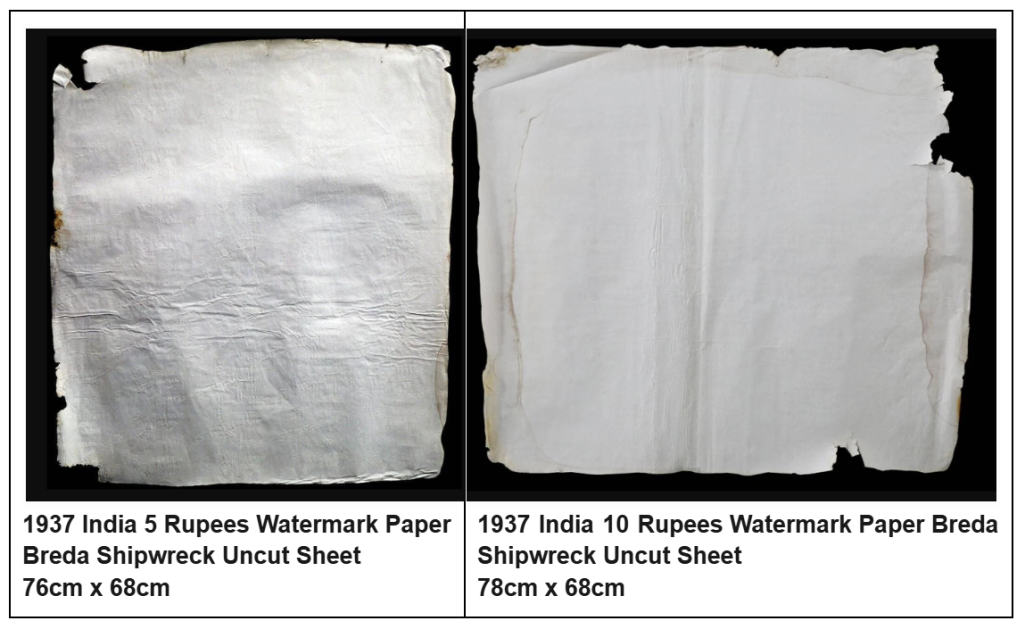
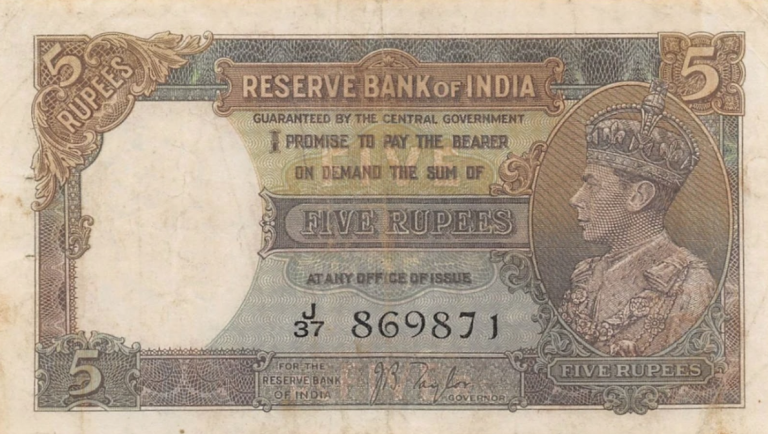
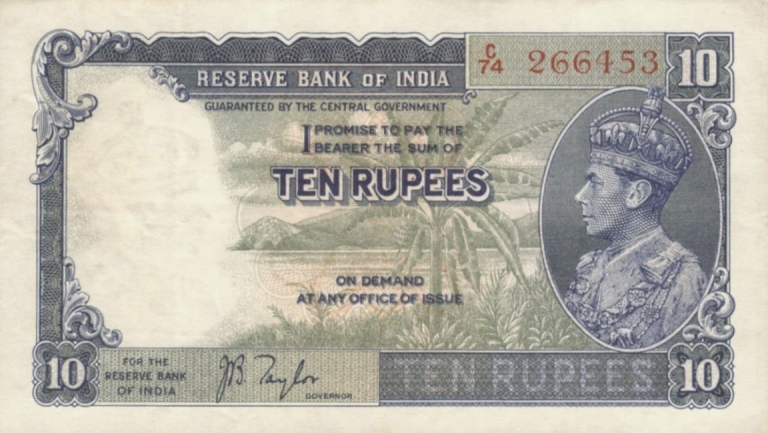
After 52 years, in 1992, the Tralee Bay Diving and Watersports Club discovered that in one of the long-hidden cargo holds, the remains of paper were found inside wooden boxes; those wooden boxes had been eaten away, and the edges of the uncut sheets were a little ragged, but this treasure was still intact! The banknote paper is an authentic relic from that shipwreck. It was originally intended to become a five-rupee and ten-rupee banknote from India. The watermark features a likeness of King George VI, along with the denomination and the words "RESERVE BANK OF INDIA." So, how can they survive at the bottom of the sea for more than 50 years?
Let's start exploring this archaeological story.
The only Ocean Paper Banknotes Salvage in History - S.S. Breda Shipwreck