Unlock Thousands of Numismatics, Exonumia, and Scripophily Stories
Every artifact has its own story, representing the culture and economy of its era and shaping history.
Podcast NESM Story of Mar2026
Bowie Financial Architecture of Creative Legacy
Bowie bond was a unique type of asset-backed security, first issued in 1997, backed by David Bowie's music royalties. These bonds were the first of their kind, using intellectual property as an underlying asset. David Bowie used the proceeds from the bond issuance to acquire the rights to his music and generate returns for bondholders. Let's start the story...
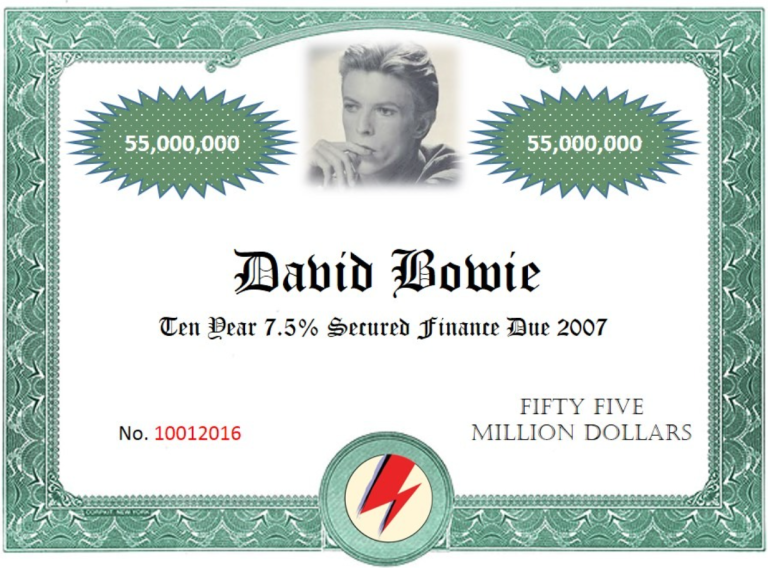
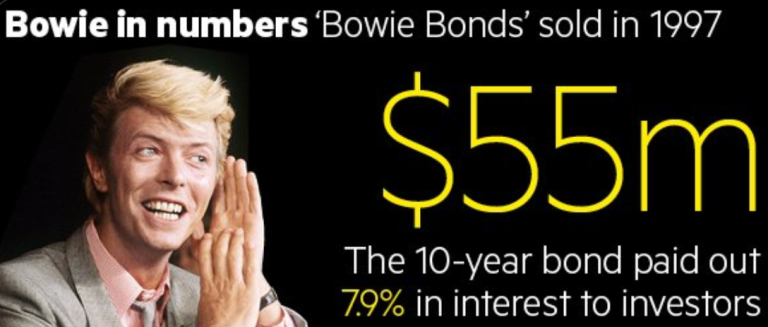
Bowie bonds were first issued in 1997, when David Bowie partnered with Prudential Insurance Company and raised $55 million by promising investors income from his back catalog of 25 albums. The 25 albums that served as the underlying assets for Bowie bonds were recorded prior to 1990 and included classics such as The Man Who Sold the World, Ziggy Stardust, and Heroes. David Bowie used the proceeds from the bond sale to purchase old recordings of his music owned by his former manager. His rights to royalties from U.S. wholesale sales were securitized into bonds. In effect, by creating the bonds, he ultimately forfeited royalties for the life of the bond.
Bowie bonds are the first in the line of Pullman bonds, which are a securitization of the collection of musical artists' intellectual property rights. Following the success of Bowie bonds, David Pullman created similar bonds for artists such as James Brown and Ashford & Simpson, using their future income streams.
The Lifecycle of Bowie Bonds
Bowie bonds, when issued, had a face value of $1,000, an interest rate of 7.9%, and a 10-year maturity. They were also self-liquidating bonds, that is, the principal declined each year. Bowie bonds were among the first bonds to use intellectual property as underlying collateral. The bonds were appealing to investors because they offered what was then viewed as a steady, long-term investment. Also, the bonds were purchased by investors who seized the opportunity to own a piece of a favorite rock star. In addition, top credit rating agencies, such as Moody's Investors Service, assigned investment-grade ratings to the bonds, indicating a low risk of default.
The value of bonds declined as online music and file sharing became popular, thereby reducing album sales. At the dawn of the 21st century, the music business suddenly found itself in crisis as sales slumped. Bowie bondholders observed their investments decline as music fans shifted from record stores to online file-sharing platforms. This led to a Moody's downgrade, from an A3 to a Baa3 rating, just above junk status. However, the advent of legal online music retailers renewed interest in these securities in the latter part of the decade. The Bowie bonds matured and were redeemed in 2007 as originally planned, without default, and the rights to the income from the songs reverted to Bowie.
The Bottom Line
Bowie Bonds offered a pioneering example of securitizing intellectual property, specifically music royalties, to generate immediate capital for artists.
David Bowie used the proceeds from the issuance to regain control over his music rights from former management. However, the value of Bowie Bonds declined over time due to the rise of online music and file sharing, which affected investors' eventual returns and bond ratings.