Officially commissioned history that serves as a cornerstone for the study of Scottish financial and economic development by Charles A. Malcolm, 1940s.
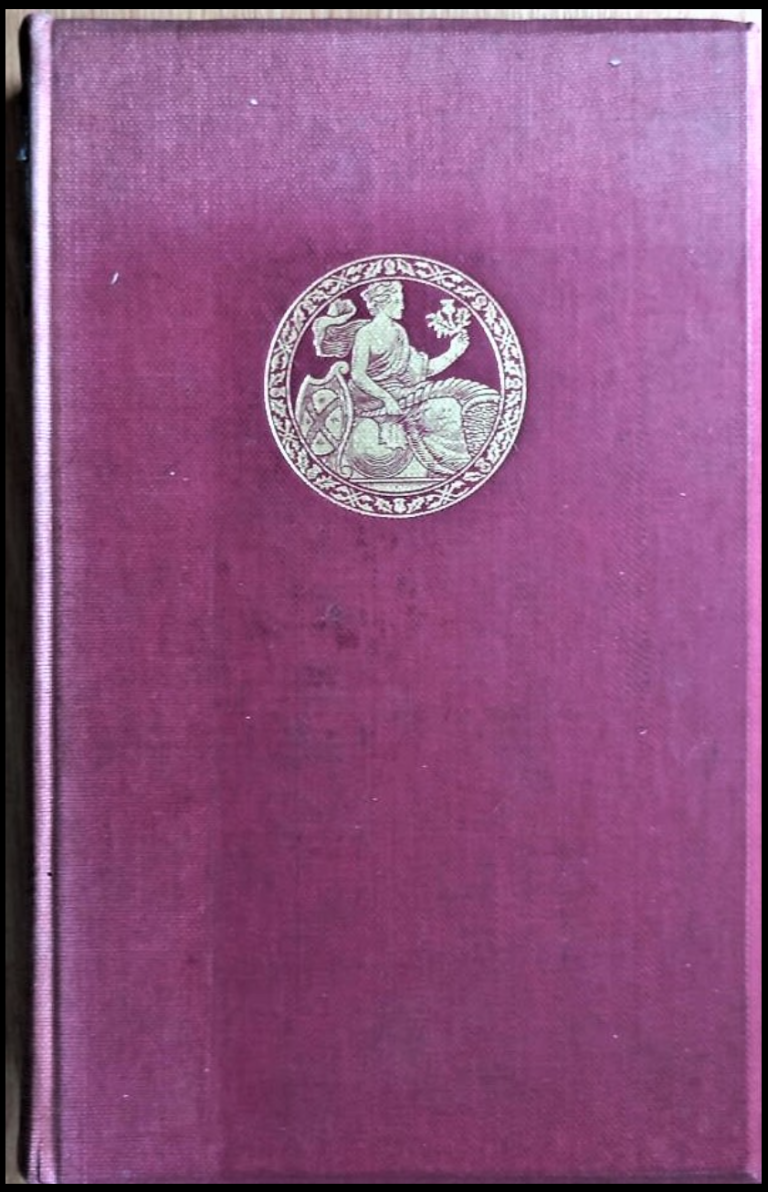
The Bank of Scotland 1695-1943
(1943 First Edition)
The Bank of Scotland 1695-1943 by Charles A. Malcolm
Written by Charles A. Malcolm, the precise title of this work is The Bank of Scotland 1695–1943. It is an authoritative, officially commissioned history that serves as a cornerstone for the study of Scottish financial and economic development.
The book was privately published in the mid-1940s by R. & R. Clark in Edinburgh. Its core purpose was to systematically document the trajectory of the Bank of Scotland, which was the first commercial bank in Europe to successfully issue paper currency.
Core Overview of the Content
The book covers the evolution of the Bank of Scotland over two and a half centuries, focusing on several key areas:
- Parliamentary Foundation: It details the background of the 1695 Act of the Parliament of Scotland that established the bank. Unlike the Bank of England, the Bank of Scotland was founded by an Englishman, John Holland, with the primary objective of supporting domestic Scottish trade and industry rather than funding the government.
- Currency Innovation: It chronicles how the bank became the first commercial institution in Europe to successfully issue circulating banknotes in 1696. It also details the subsequent national resistance in 1826 when the London Parliament attempted to ban notes under five pounds.
- Surviving Historical Turmoil: The narrative describes how the bank navigated major crises, including the financial collapse of the Darien Scheme, the 1707 Act of Union, the Industrial Revolution, and the severe challenges of both World Wars.
Historical Value and Format
As a privately printed volume not intended for mass commercial sale, the book features high-quality production standards. It contains rare historical portraits, antique maps, and facsimiles of early bank documents. For scholars researching the evolution of modern banking systems—particularly Scotland's unique free banking history—it remains an indispensable primary reference.
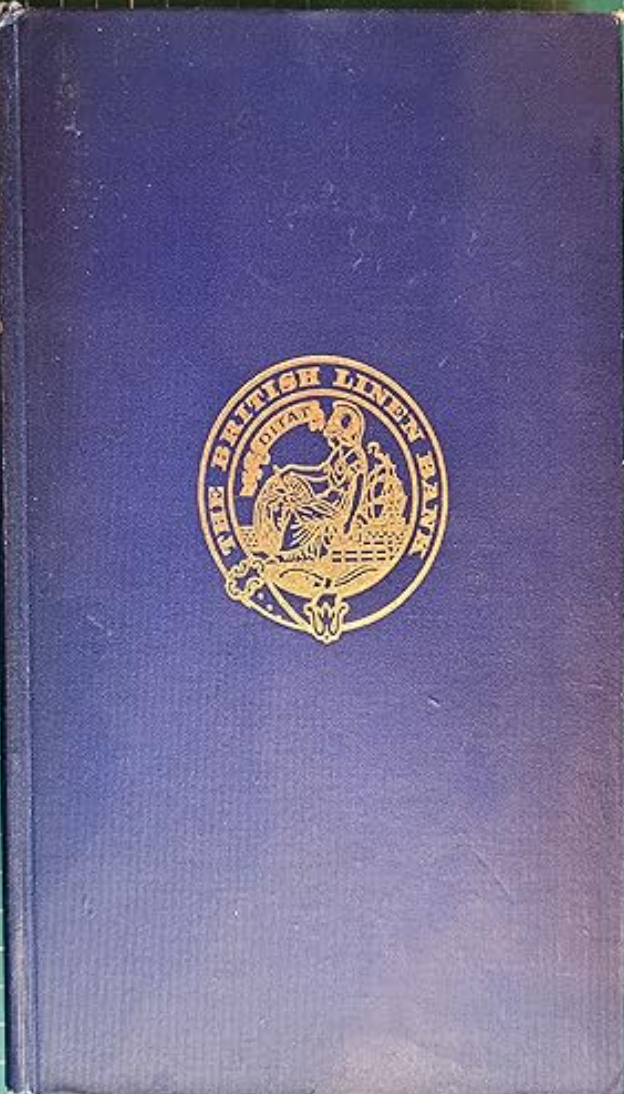
The History of the British Linen Bank
(1946 First Edition)
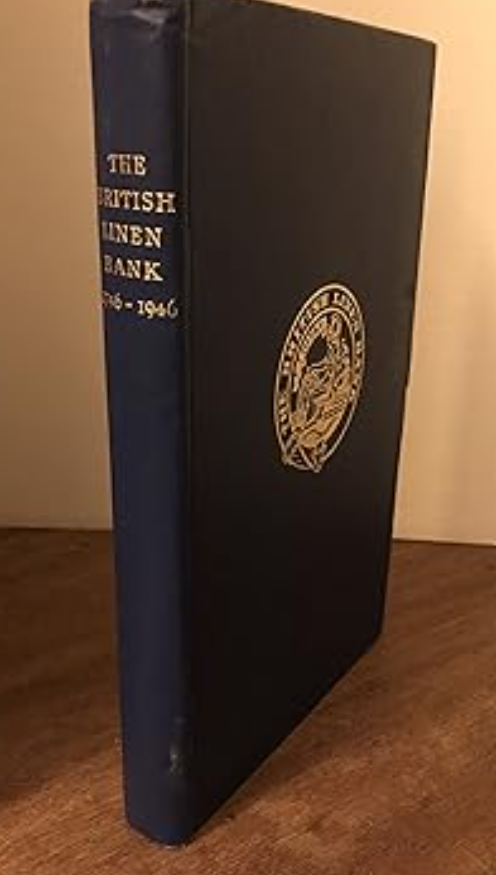
Library Archival Treasures
June 2026 Highlightht
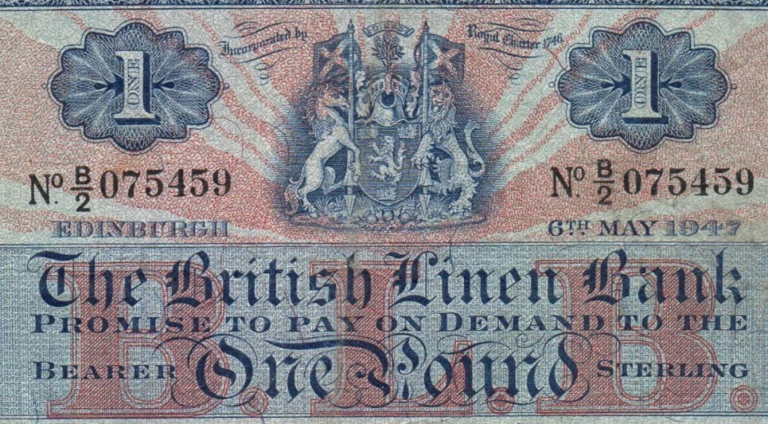
The History of the British Linen Bank
The History of the British Linen Bank is an authoritative work of history written by the Scottish historian and scholar Charles Alexander Malcolm. It was first privately printed in 1950 by the T. and A. Constable press in Edinburgh. This book meticulously records the evolution of the bank from its founding in 1746 to 1946—marking its bicentenary—and serves as a crucial document for the study of Scottish financial and industrial history.
Book Overview & Publication Information
- Core Subject: Detailed account of the British Linen Bank's commercial operations, organizational changes, and historical background over two centuries (1746–1946).
- First Edition Year: 1946 / 1950 (Hardcover, approx. 246–253 pages, containing several black-and-white and colour illustrations, including the bank's coat of arms).
- Modern Reprint: The book was reissued in paperback format by Read Books in 2010, making it accessible for modern readers and researchers.
Core Phases of the Bank's History Recorded in the Book
This historical work primarily revolves around the unique "cross-industry evolution" of the bank:
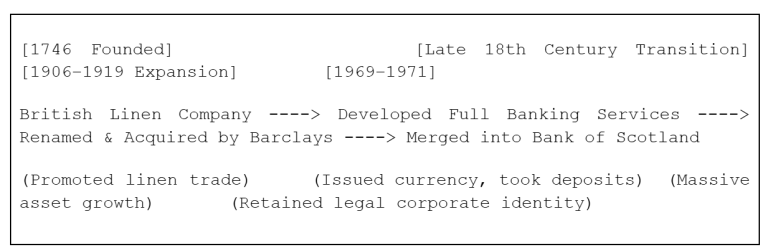
Origins as a Corporation (1746)
The bank was initially established under a Royal Charter as The British Linen Company. Its original purpose was not banking, but rather to finance and promote the domestic Scottish linen textile industry to compete against foreign imports.
- Financial Transition (Late 18th Century)
In the process of providing credit to weavers and merchants, the company discovered that financial services were far more lucrative. It began issuing its own banknotes and accepting deposits, eventually transitioning completely into a full-service commercial bank. - Renaming & Modernization (Early 20th Century)
The company officially changed its name to The British Linen Bank in 1906. In 1919, it was acquired by England's Barclays Bank and became its whistle-owned subsidiary, though it maintained an independent board in Edinburgh and retained its Scottish banknote-issuing rights. - Merger & Legacy (1969–Present)
Two decades after the book's publication, Barclays sold the bank to the Bank of Scotland in 1969, and the two officially merged in 1971. The legal entity of the British Linen Bank was preserved and transformed into the merchant banking arm of the Bank of Scotland in 1977, and it remained active until its full integration into the parent group in 1999.
About the Author: Charles A. Malcolm
Dr Charles Alexander Malcolm (M.A., PhD, 1875–1956) was a highly respected Scottish bibliographer and librarian who served for many years as the Librarian of the Signet Library in Edinburgh. He specialized in researching Scottish institutional, legal, and commercial history.