July
2026
Art Connoisseur Corner
American Banknote Corporation, which operates under the name ABCorp, is a U.S. company that provides contract manufacturing and related services in the fields of identity verification, payments, and secure access.
ABCorp's history (through the United States Banknote Company, or ABN) dates back to 1795, when it was a security engraver and printer, assisting the newly formed First Bank of the United States in designing and producing more secure currency. The company has factories in the United States, Canada, Australia, and New Zealand.
In 1795, Robert Scot, the first official engraver of the United States Mint, founded Murray, Draper, Fairman & Company (some sources spell it Fairham), named after Scot's three partners. Its products included stock and bond certificates, banknotes issued for thousands of state banks across the country, stamps (1879–1894), and various other engravings (primarily on steel plates) and prints.
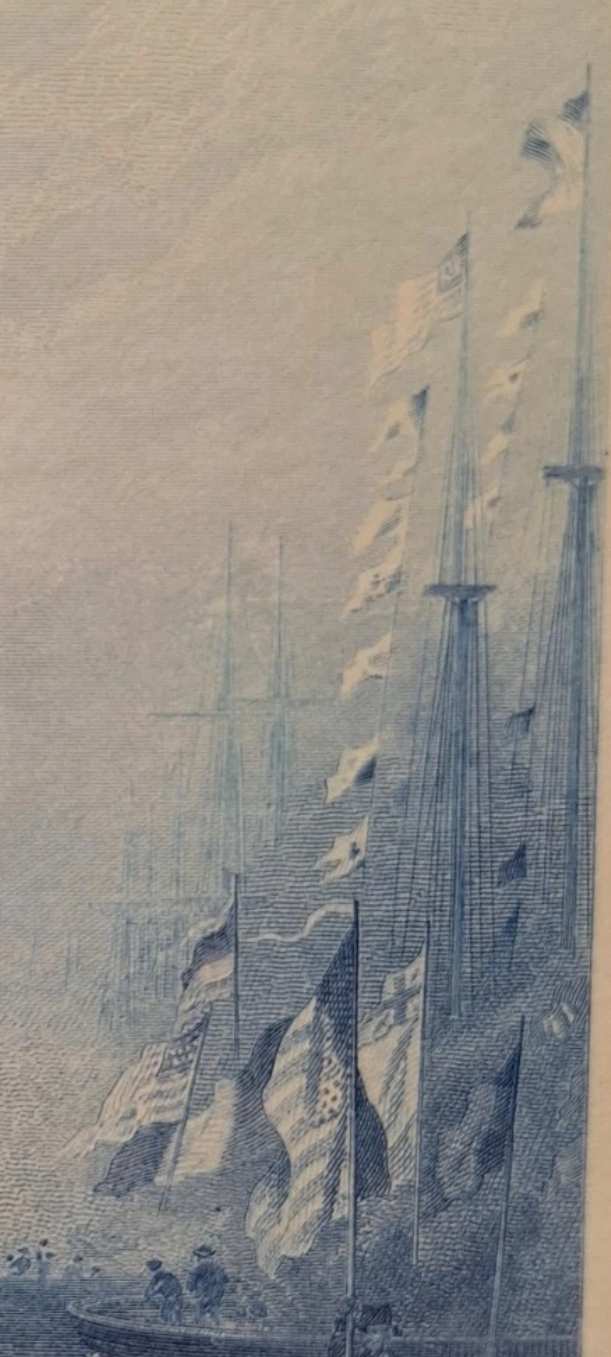
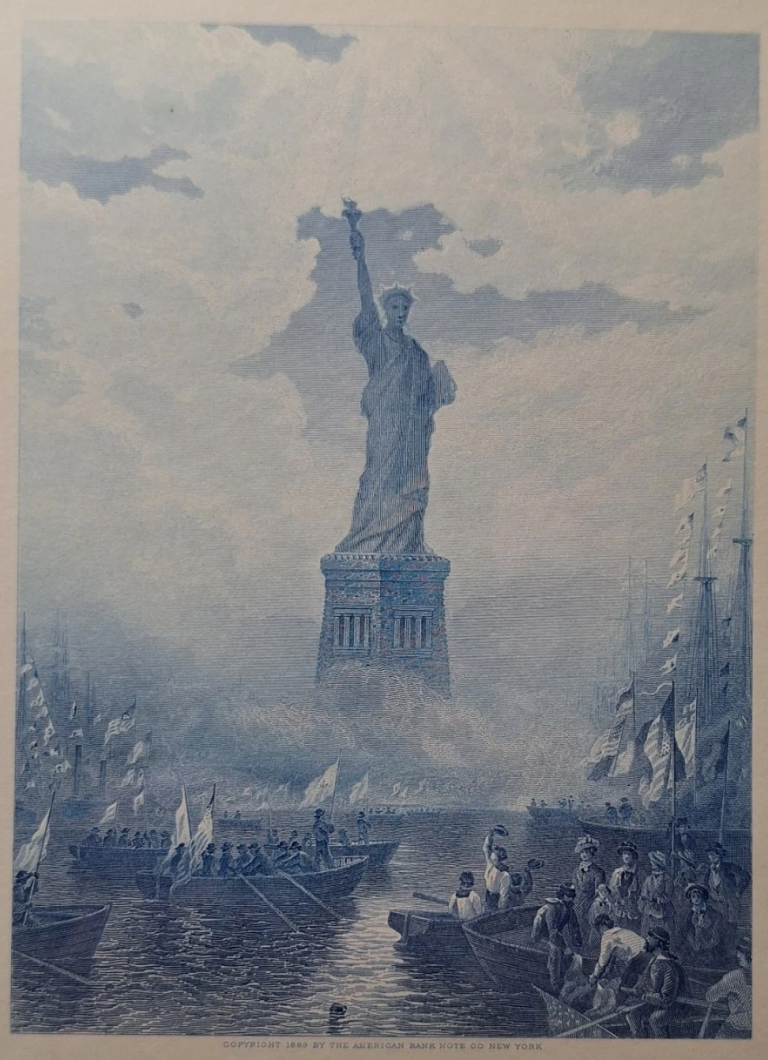
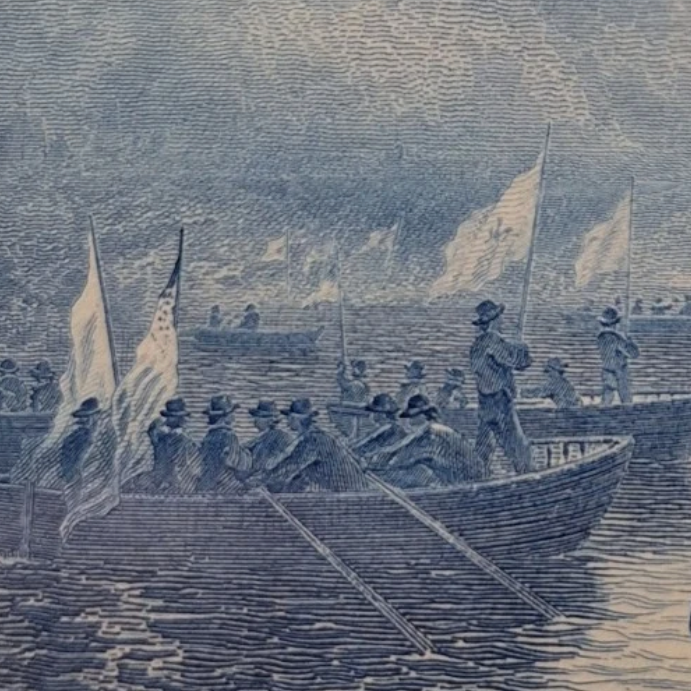
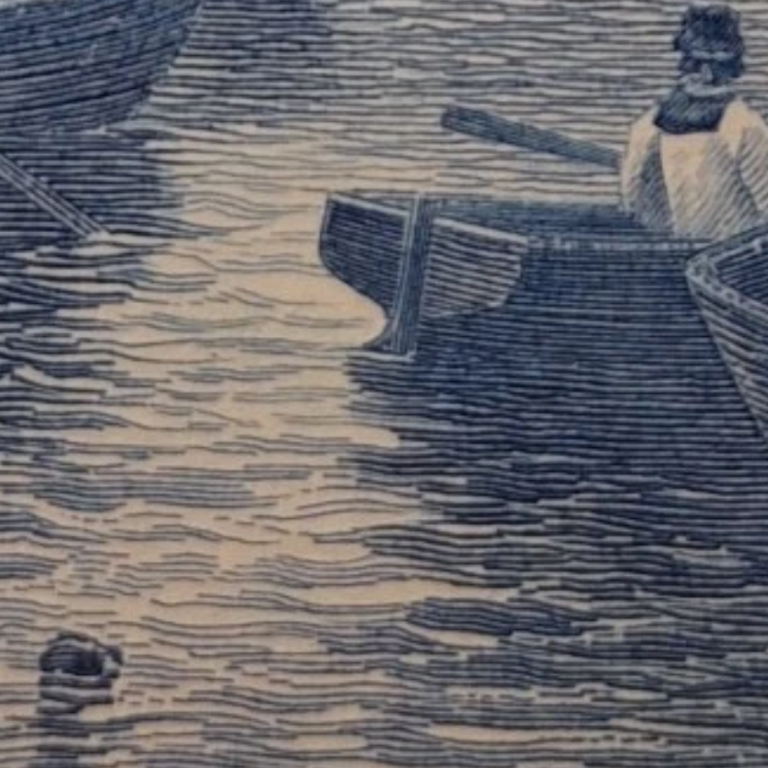
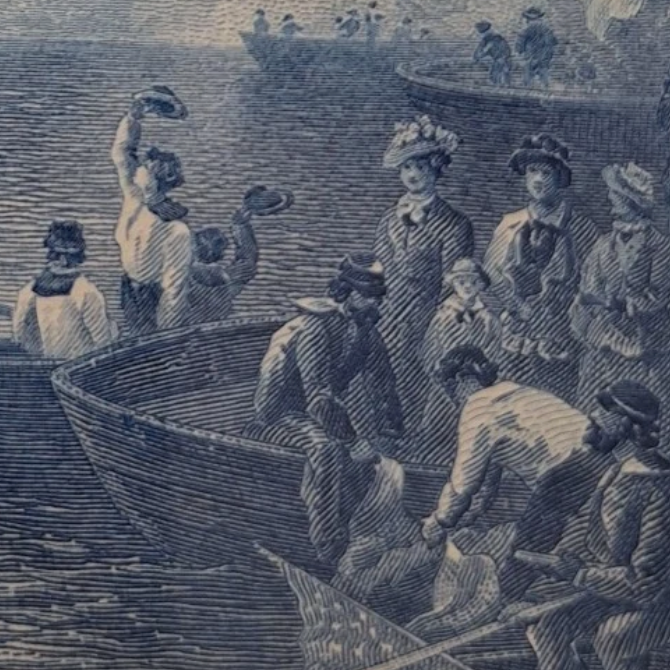
Engraving Artwork
U.S. government's Engraving and Printing Bureau
&
American Banknote Corporation
On April 29, 1858, following the Panic of 1857, seven prominent security printing plants merged to form the United States Banknote Company. The new company was headquartered in New York City. Less than two years later, the remaining independent banknote printing plants merged to form the National Banknote Company.
Following the outbreak of the American Civil War, the U.S. Treasury issued the first federally issued banknotes. On July 17 and August 5, 1861, Congress passed legislation authorizing the issuance of $60 million worth of "sight notes." Under contracts with the government, the Bank of America Notes Company and the National Bank Notes Company issued these new banknotes, known to the public as "greenbacks." A total of 7.25 million notes were issued, with denominations of $5, $10, and $20. Simultaneously, the Bank of America Notes Company and the National Bank Notes Company also issued banknotes for the Confederate States of America.
After the U.S. government's Engraving and Printing Bureau printed U.S. currency for the first time in 1862, the Dutch Bank began expanding its business overseas. The company eventually supplied anti-counterfeiting paper and banknotes to 115 countries.
The National Bank Securities Company (1861-73) was merged into the Dutch Bank in 1873.
In 1877, the U.S. Congress authorized the U.S. Bureau of Engraving and Printing to be the sole producer of all U.S. currency. Due to a significant decline in the volume of anti-counterfeiting printing business, a second major consolidation took place in 1879, with the Dutch Bank (ABN) acquiring the Continental Bank Note Companies that same year. At the time of the merger, Continental Bank held the production contract for U.S. stamps and continued production under ABN's leadership.
In 1887, ABN AMRO won a second, four-year contract to engrave and print postal money orders for the United States Postal Service. (The Homer Lee Bank Notes Company in New York produced these money orders during the first contract period.) ABN AMRO commissioned its chief designer, Thomas F. Morris, to redesign this early postal money order. The paper for this contract (as well as all postal money orders and a large number of high-security official U.S. documents) was produced by Crane Currency Company in Dalton, Massachusetts.
In 1891, the Dutch bank began issuing a new type of negotiable instrument to a long-term client: American Express "traveler's checks" on demand. In its first year, American Express sold $9,120 worth of these products.
In 1894, ABN finalized its contract for the private printing of U.S. stamps. Perhaps the most popular of these was the "Columbian Issue," a set of stamps ranging from 1 cent to $5, commemorating Christopher Columbus's voyage and the 1892-93 Chicago Columbus Exposition (ABN also printed tickets for the exposition).
On July 1, 1894, the United States Postal Service transferred all stamp production to the U.S. Bureau of Engraving and Printing, located in Washington, D.C. U.S. stamps were still printed by this bureau until the 1990s.
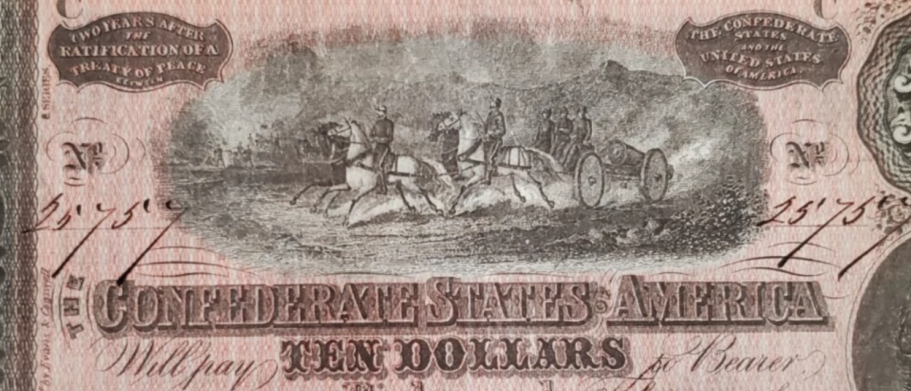
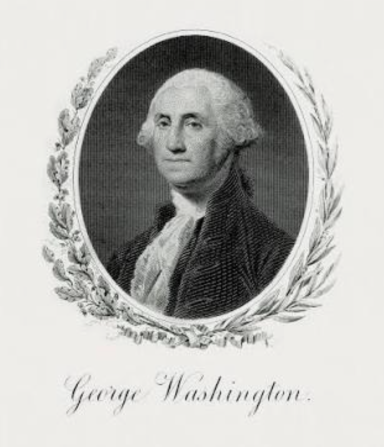
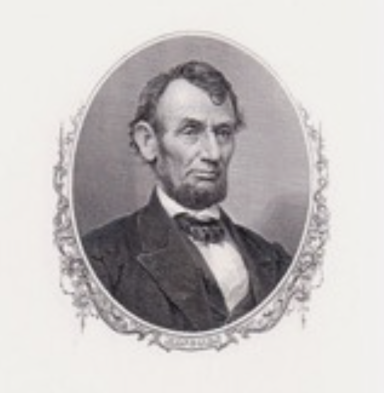
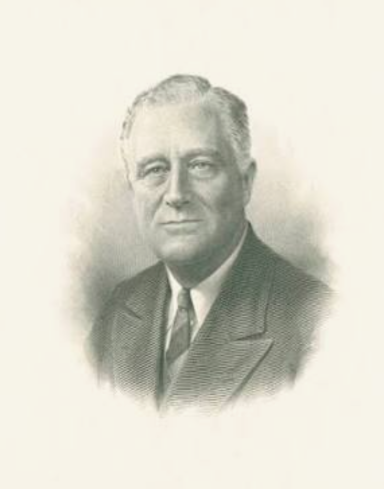
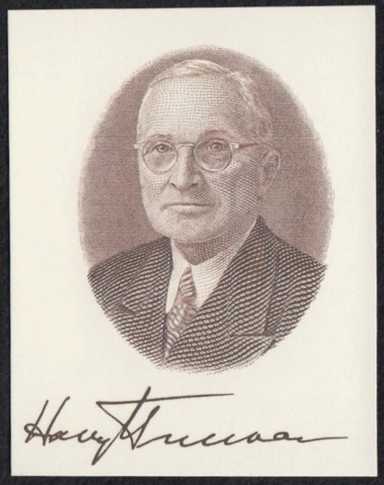
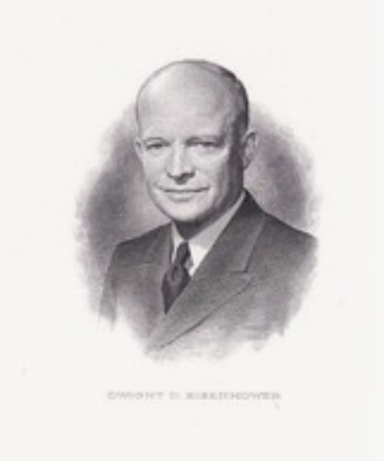
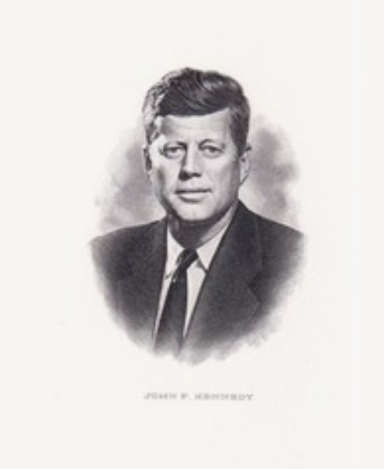
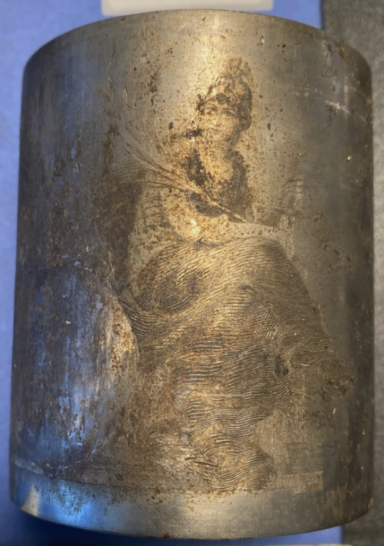
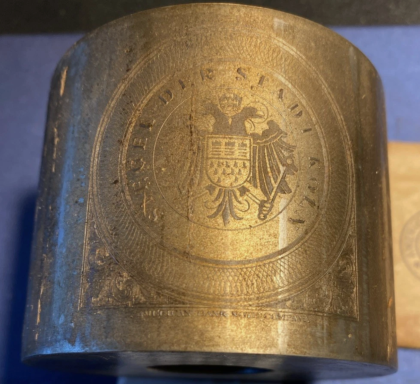
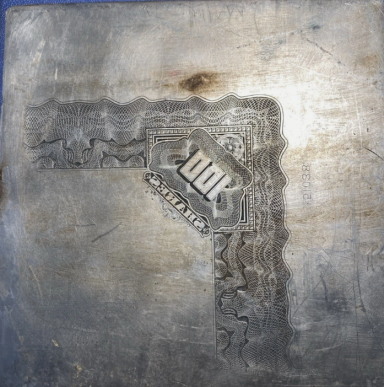
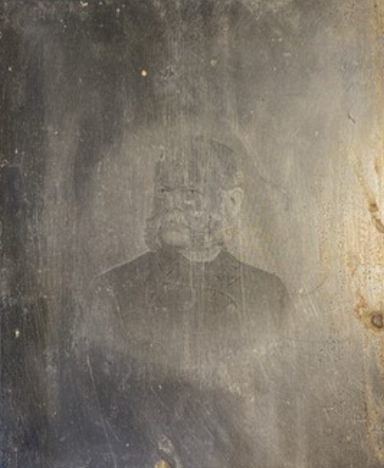
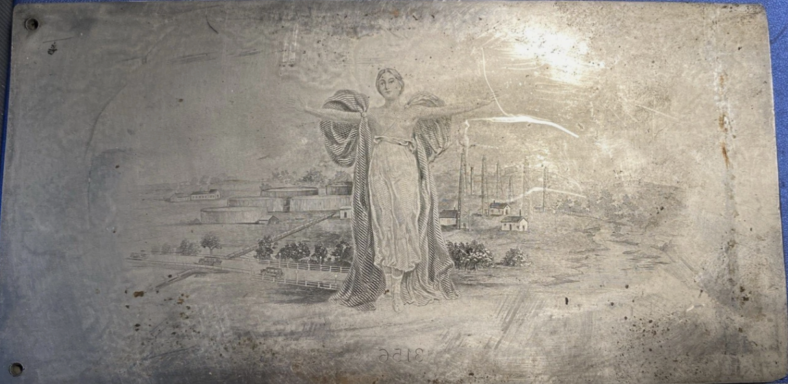
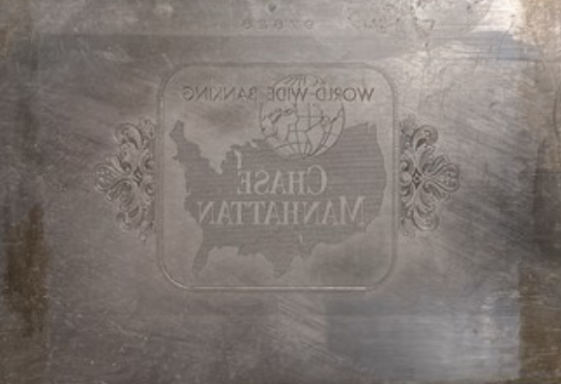
Part of the Engraving Print Proof and Steel -Engraved Printing Plate of the NESM Collection
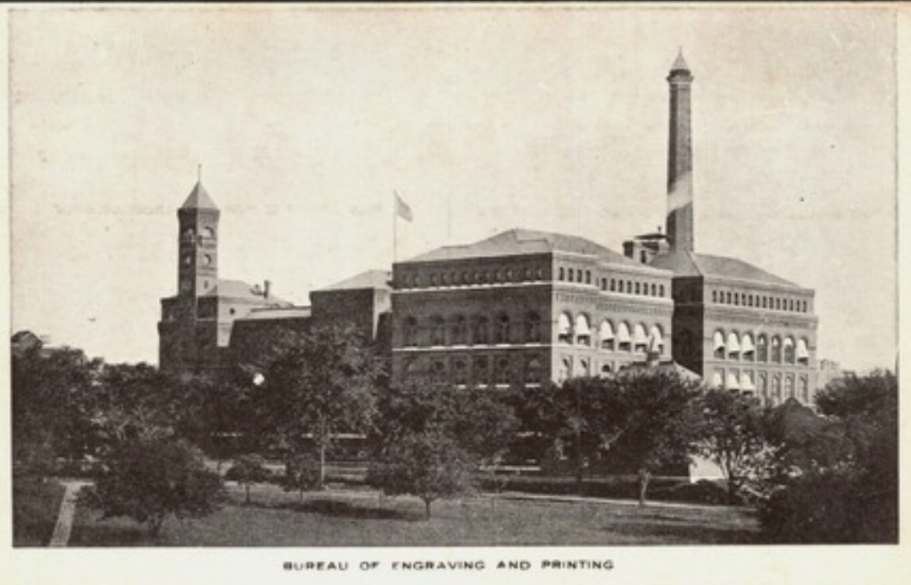
Today, ABCorp is headquartered in Boston, Massachusetts, with North American manufacturing facilities in Boston, Massachusetts, and Toronto, Ontario, and distribution services in Columbia, Tennessee. The company also has international manufacturing facilities in Melbourne and Sydney, Australia, and Auckland, New Zealand. ABCorp continues to provide a wide range of securities design and printing services to multiple countries.
American Banknote Corporation, in its early days, focused on banknotes and securities. The hand-carved steel plates of the Vignette Proof first print all possess high artistic, historical, and collectible value.
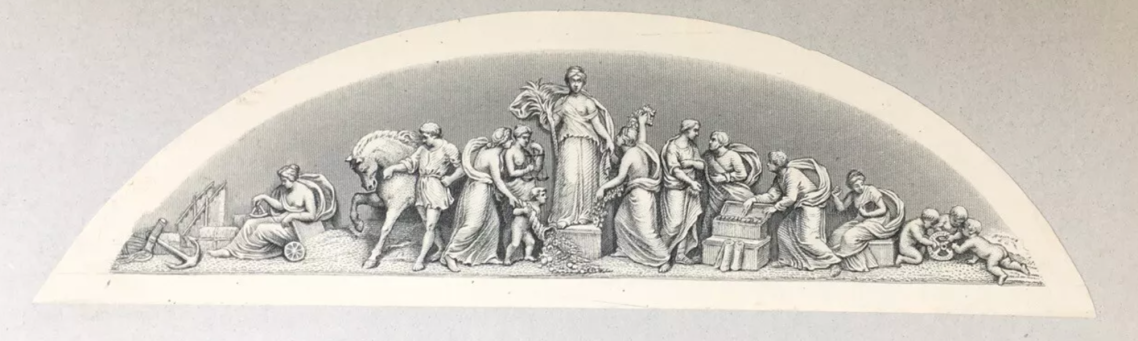
Engraving and Printing
Printing Roll and Plate
More selected collection from the American Banknote Company and the U.S. Bureau of Engraving and Printing (Woodcut/Steel) of the presidents of the United States, generals of the Civil War, and others' proofed print.
Art Connoisseur Corner